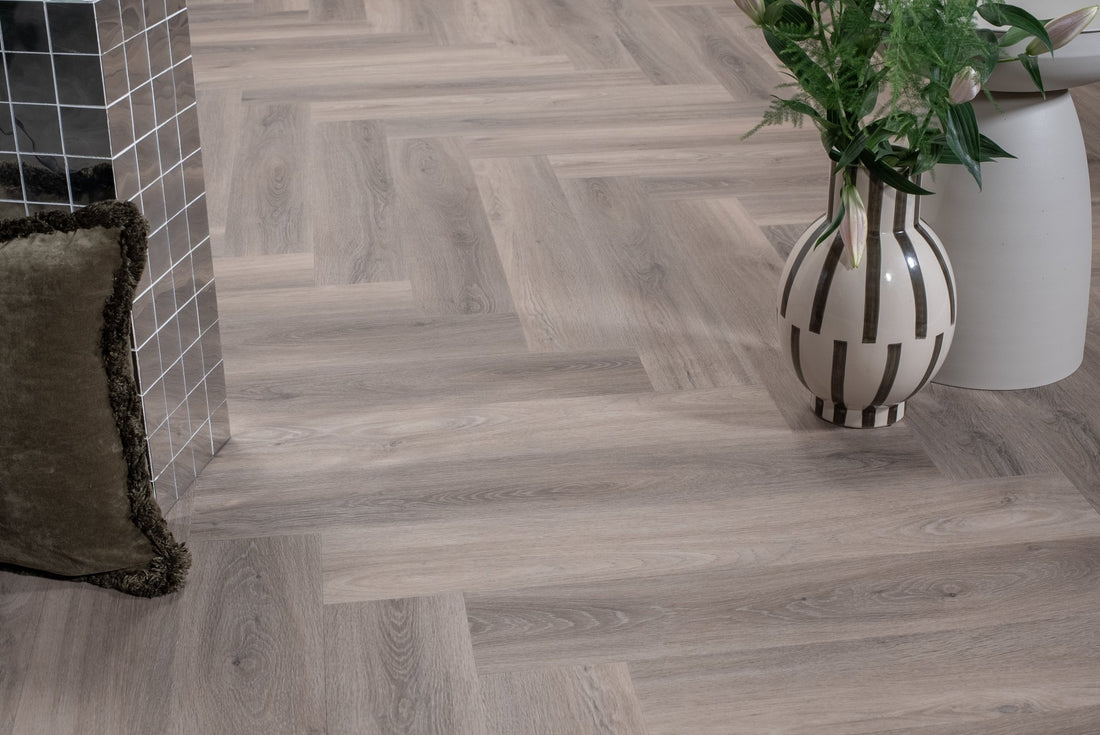

Hoeklijnprofielen
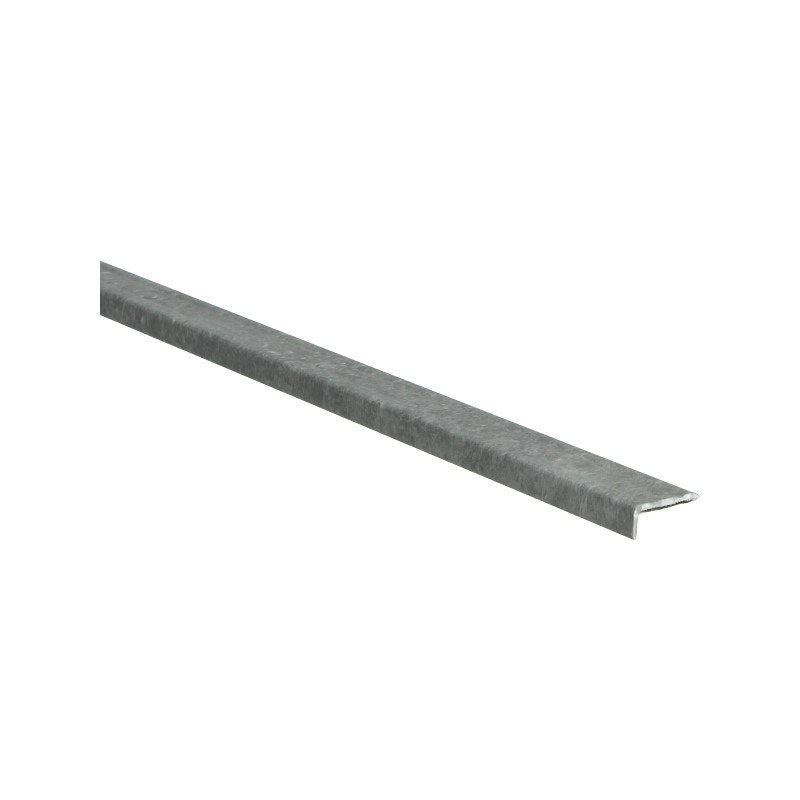
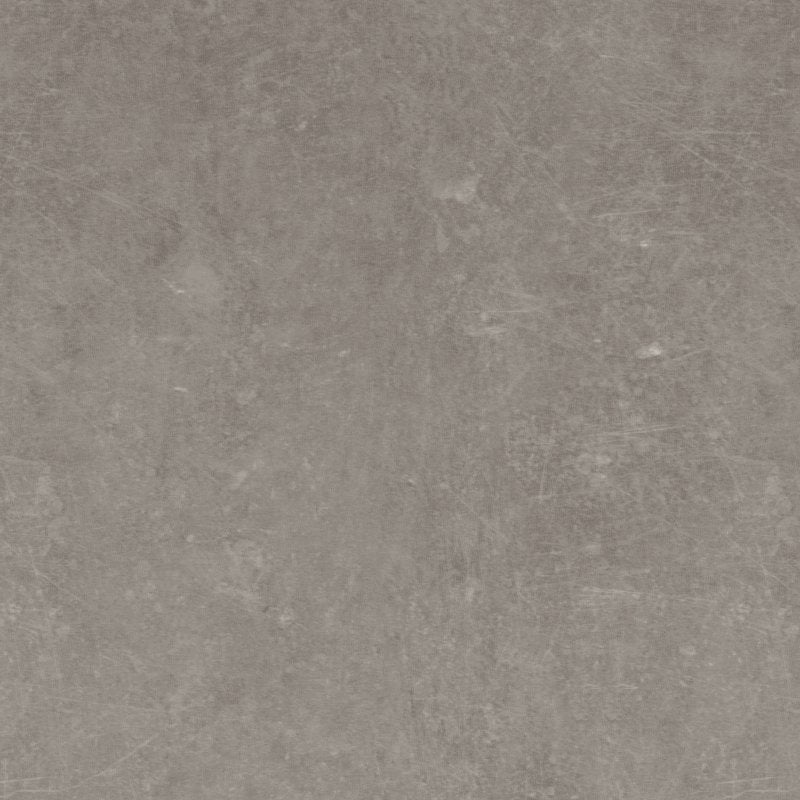
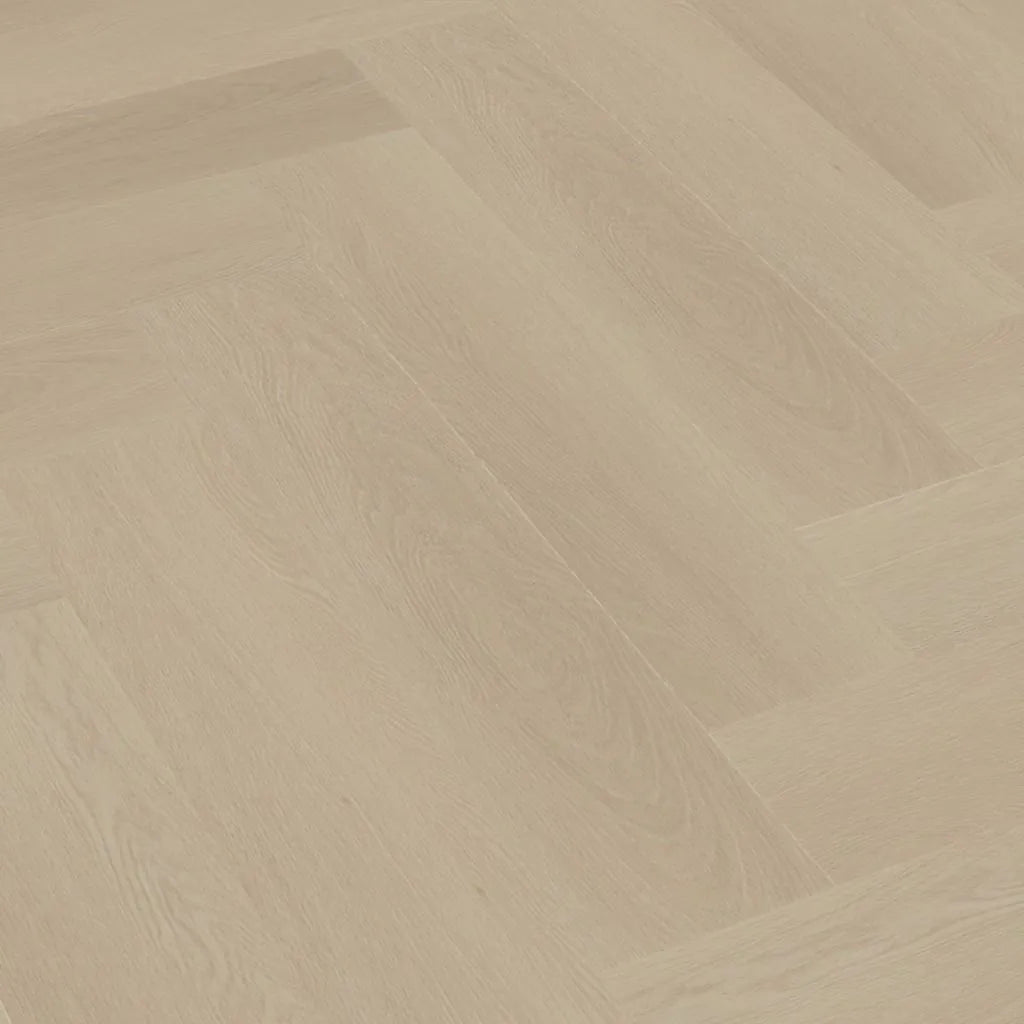
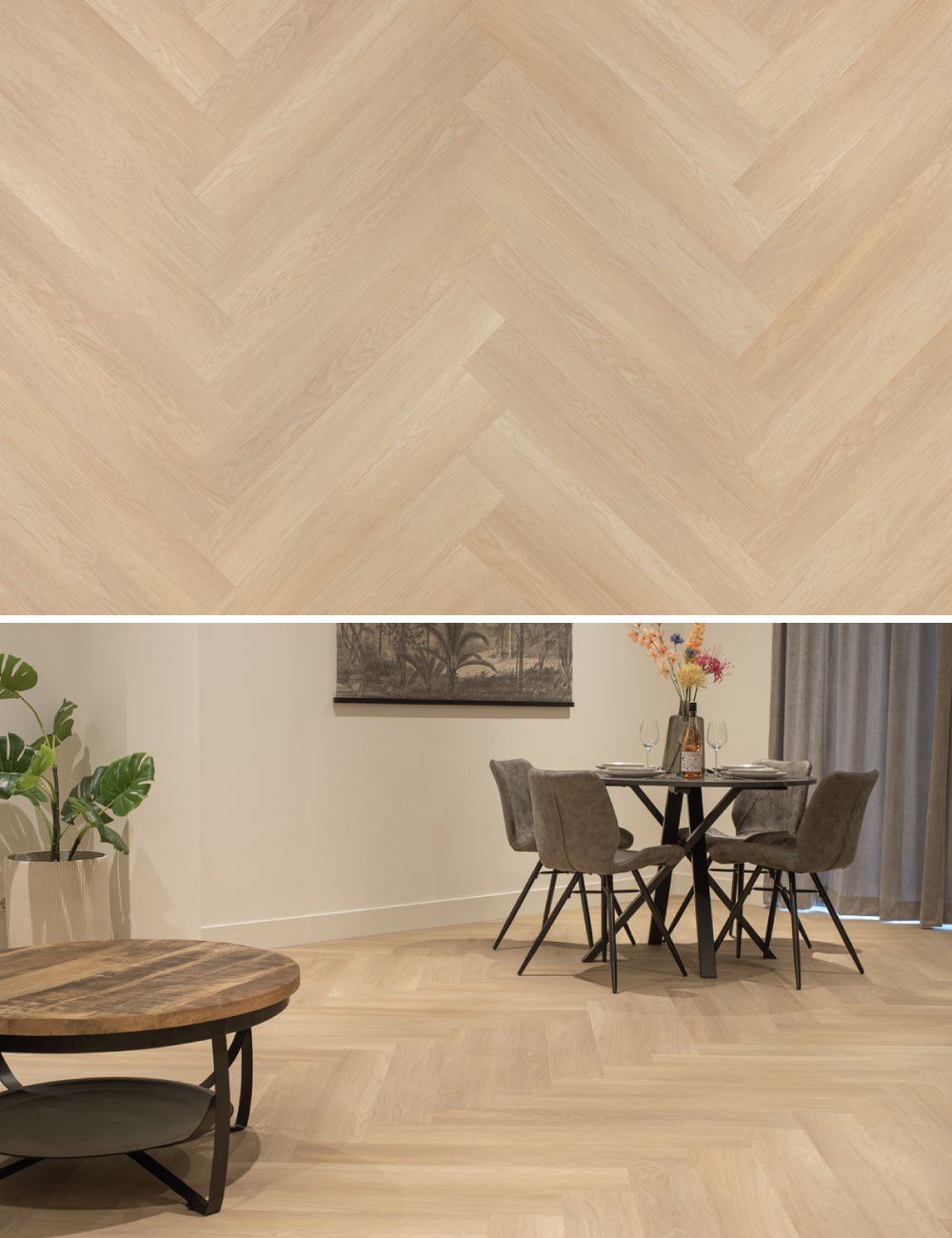
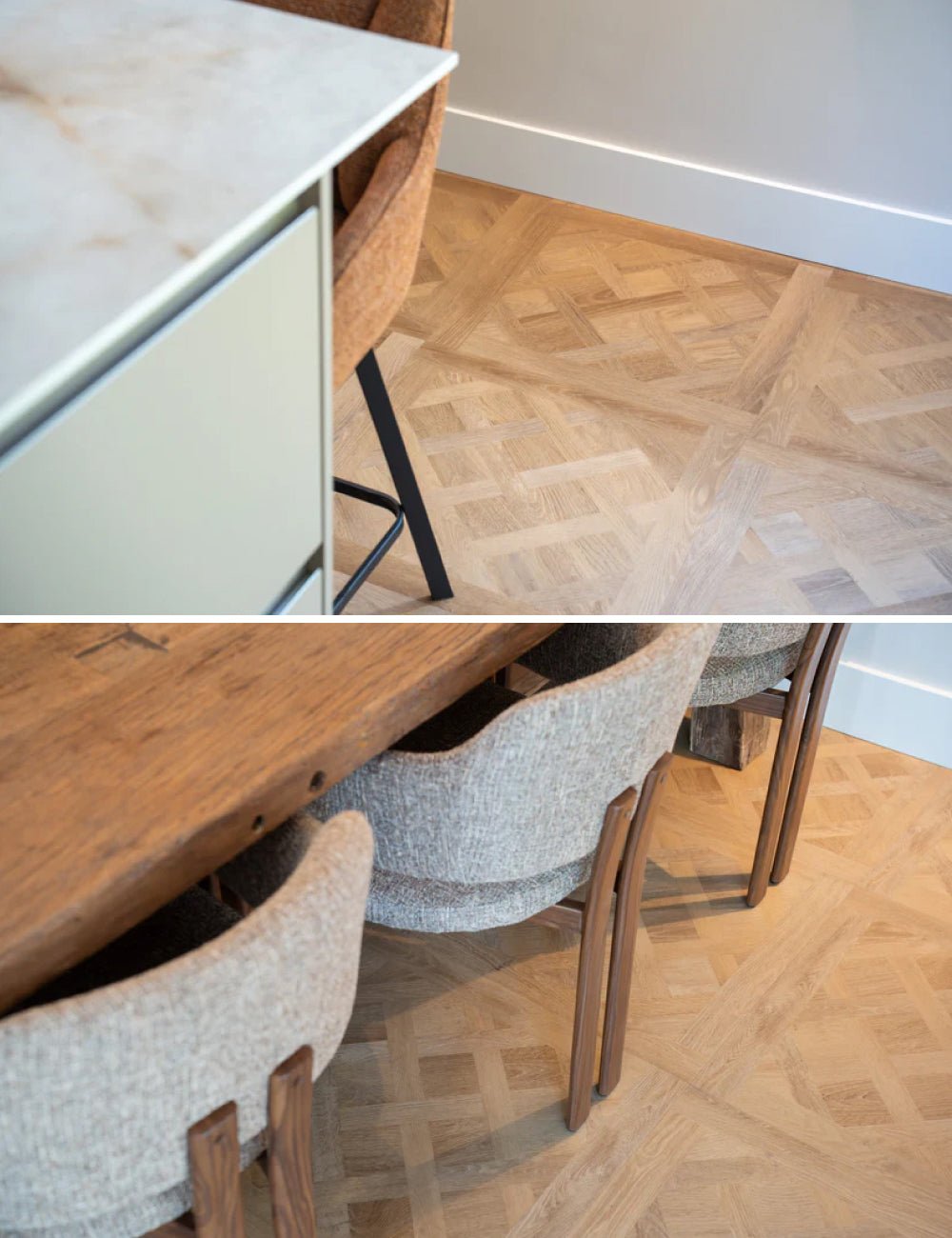
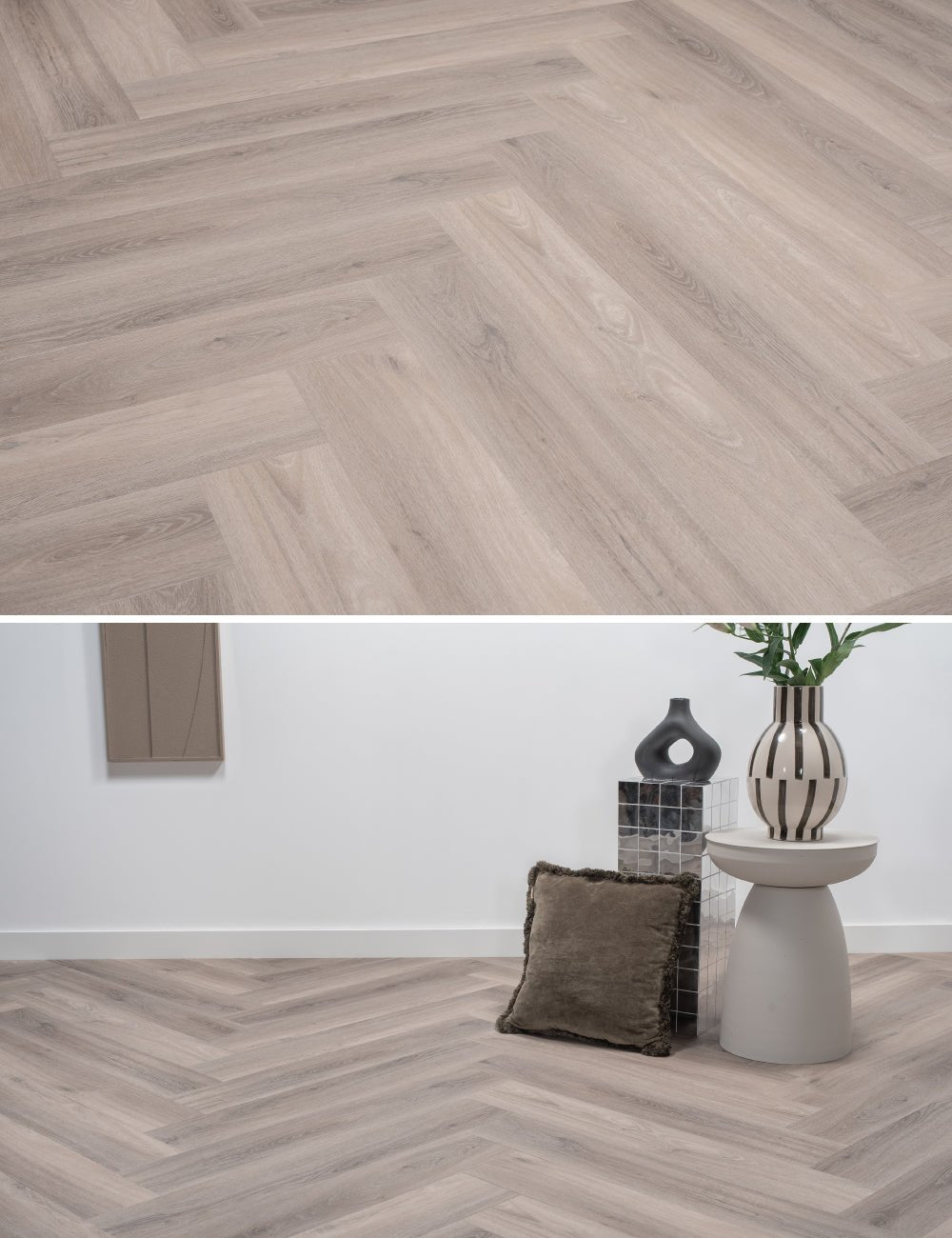
Angle Profile Self-Adhesive 10mm Concrete Dark Grey 63184
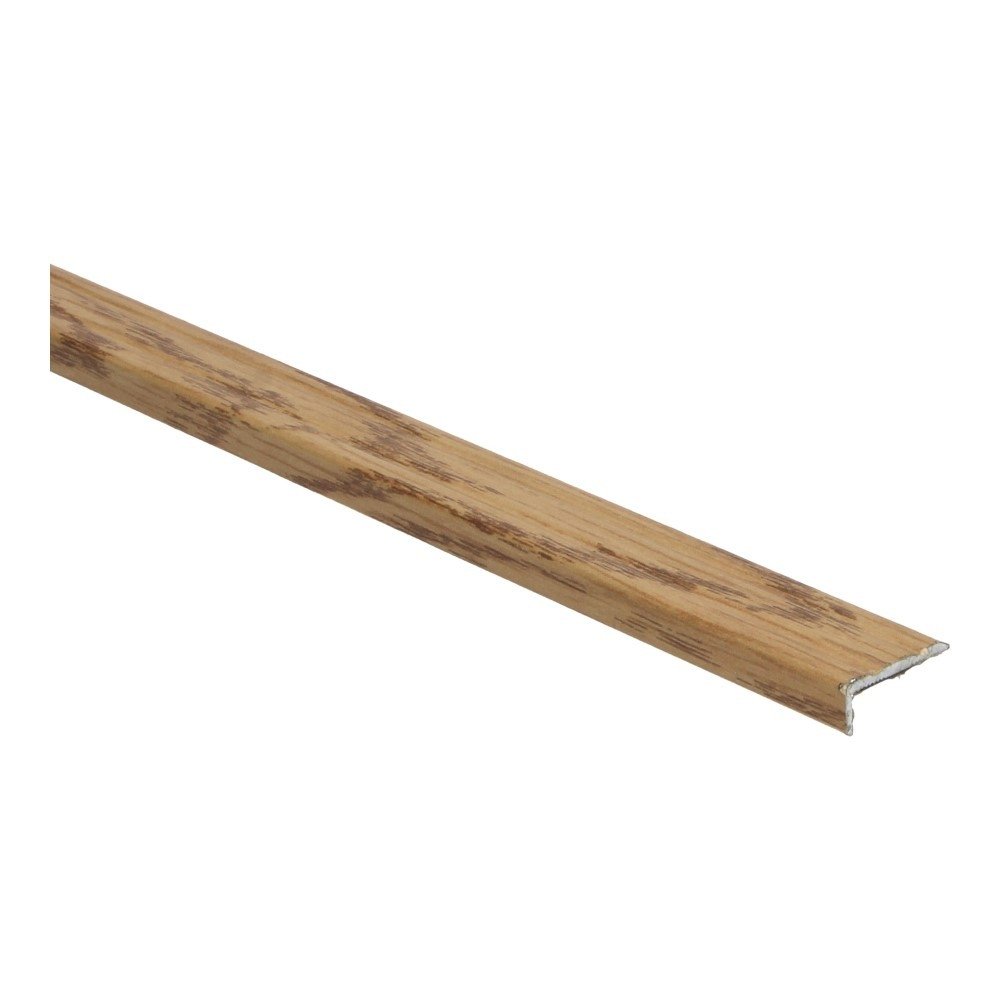
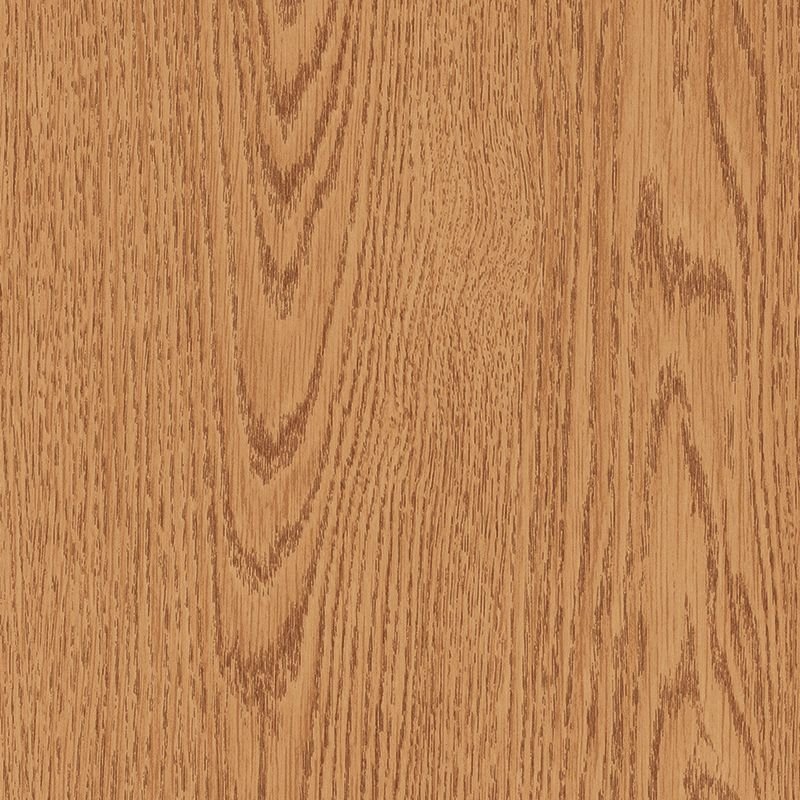
Angle Profile Self-Adhesive 10mm Oak Licorice Grey 63185
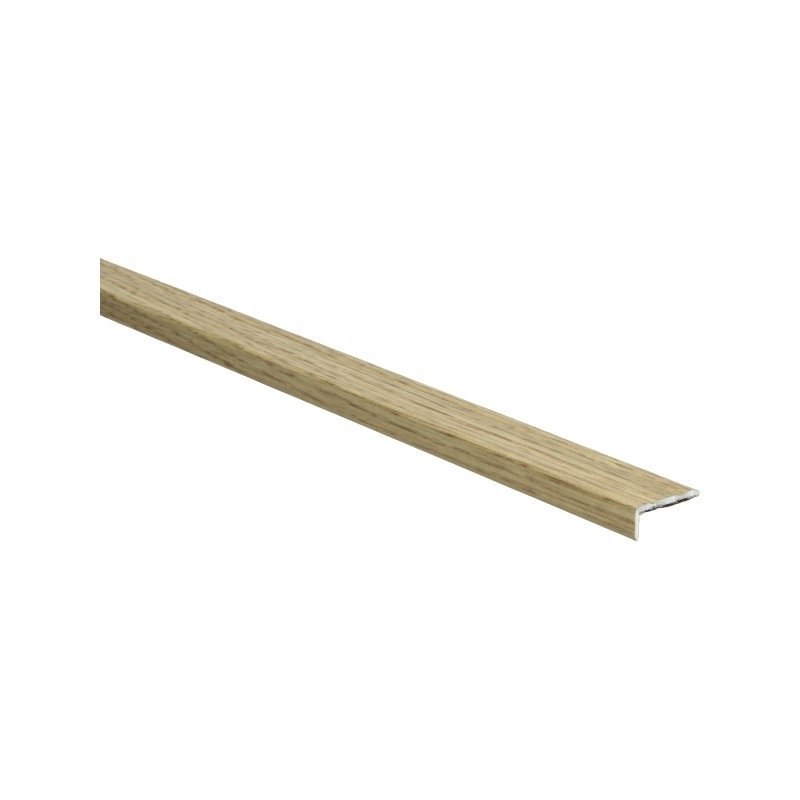
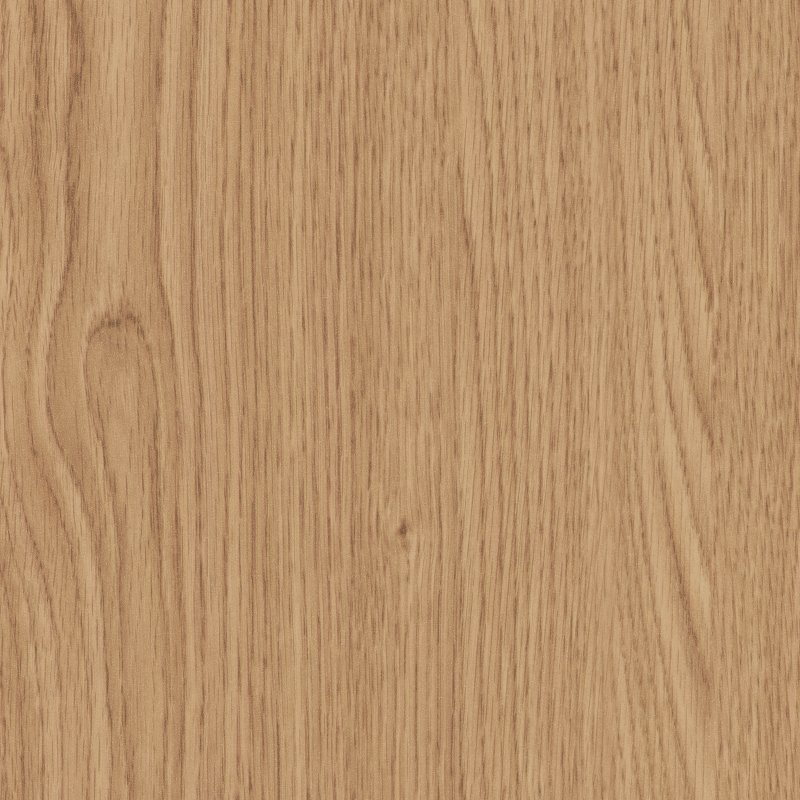
L-Profile Self-Adhesive 10mm Oak Brushed 63186
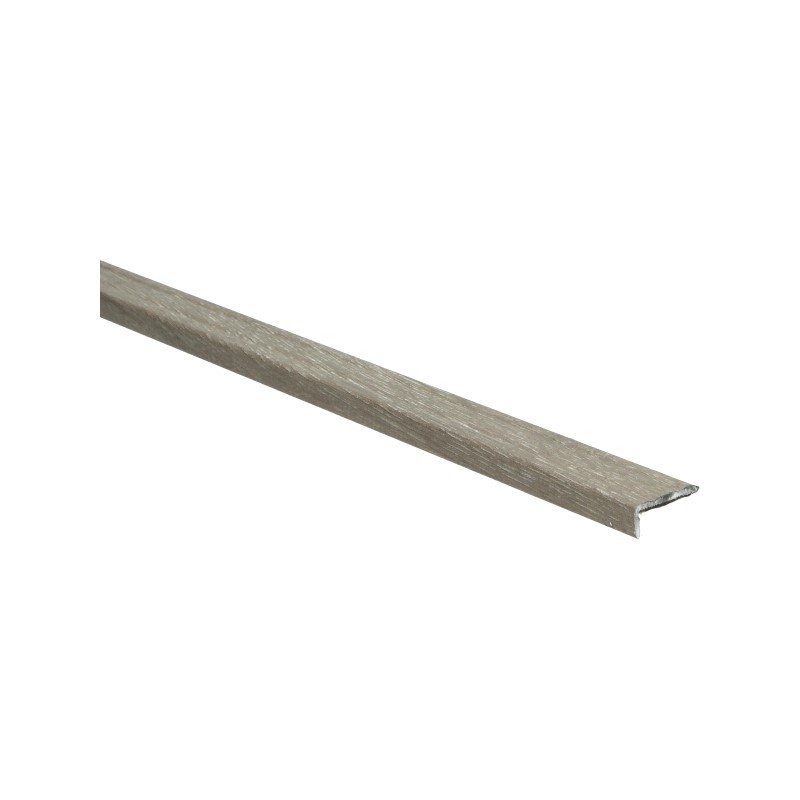
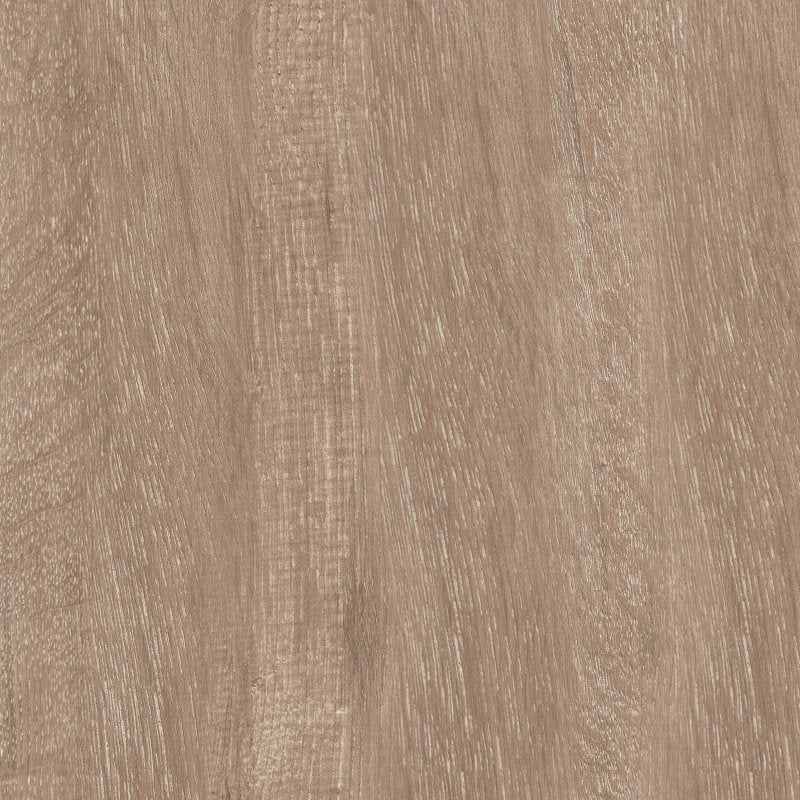
Self-Adhesive Angle Profile 10mm Oak Honey 63190
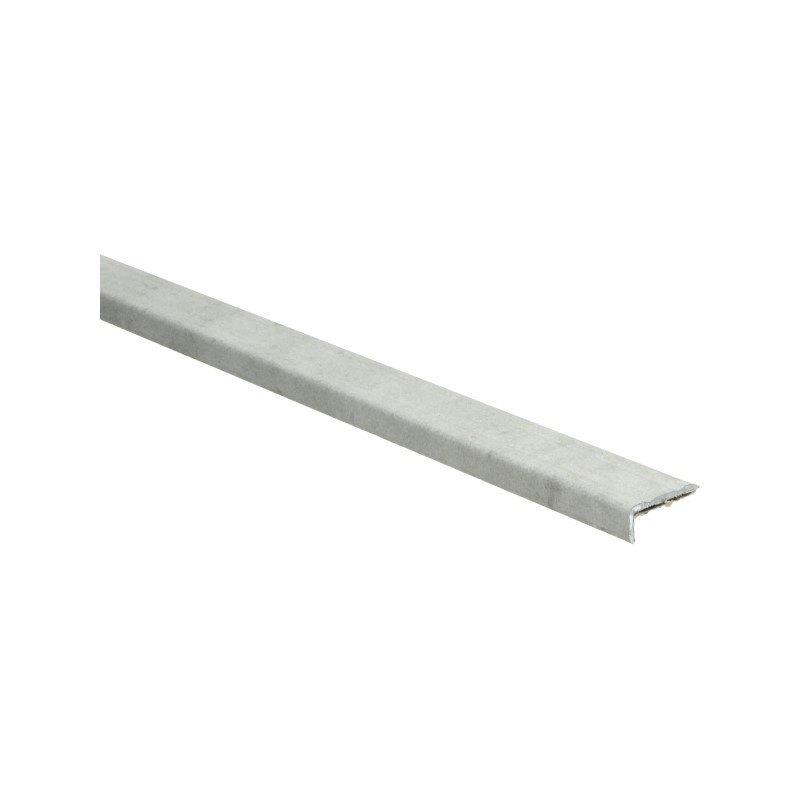
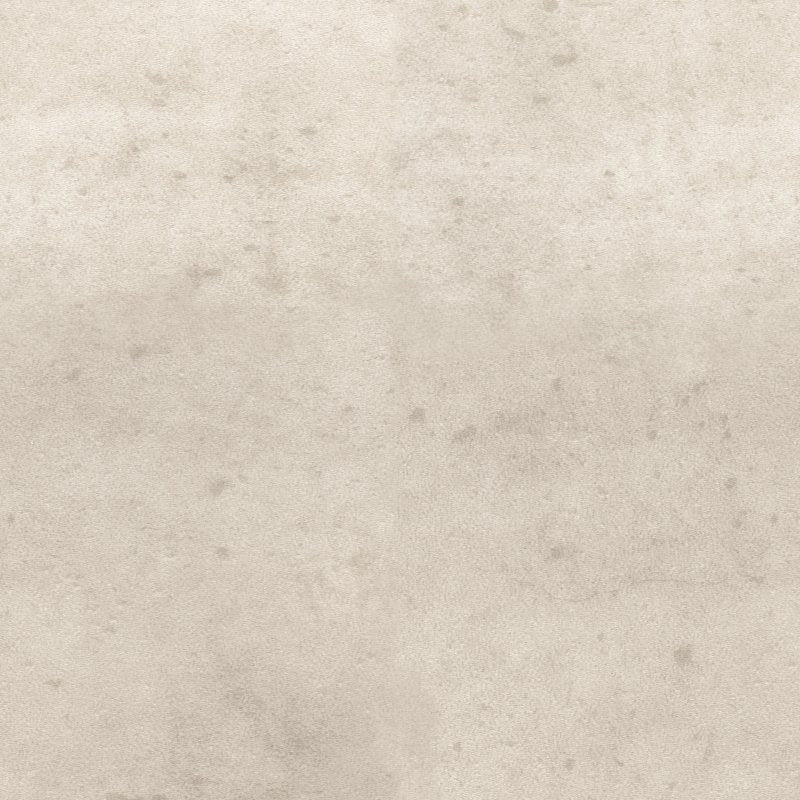
Corner Profile Self-adhesive 10mm Concrete Light 63183
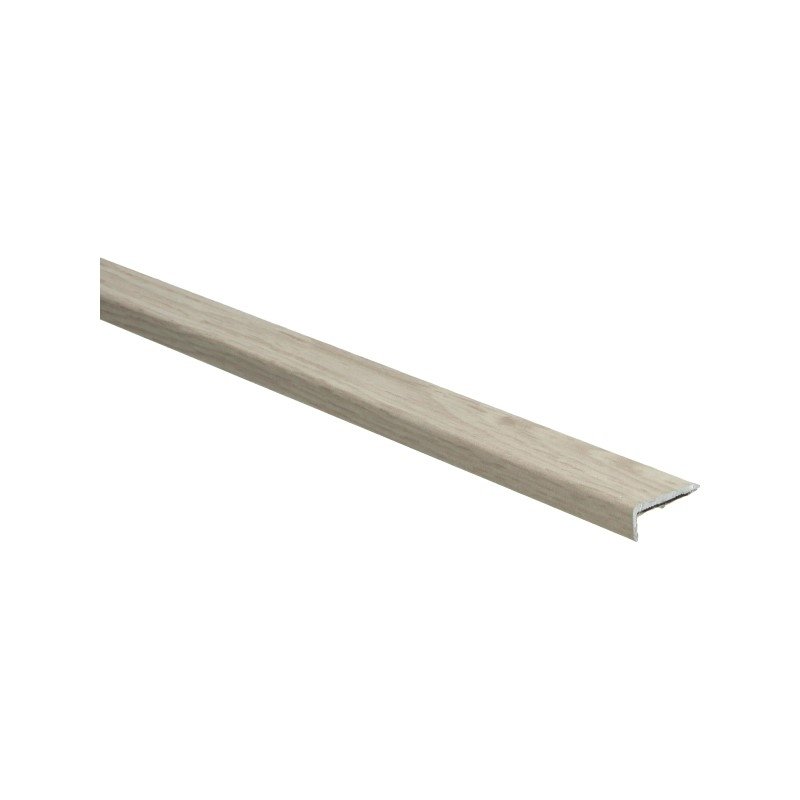
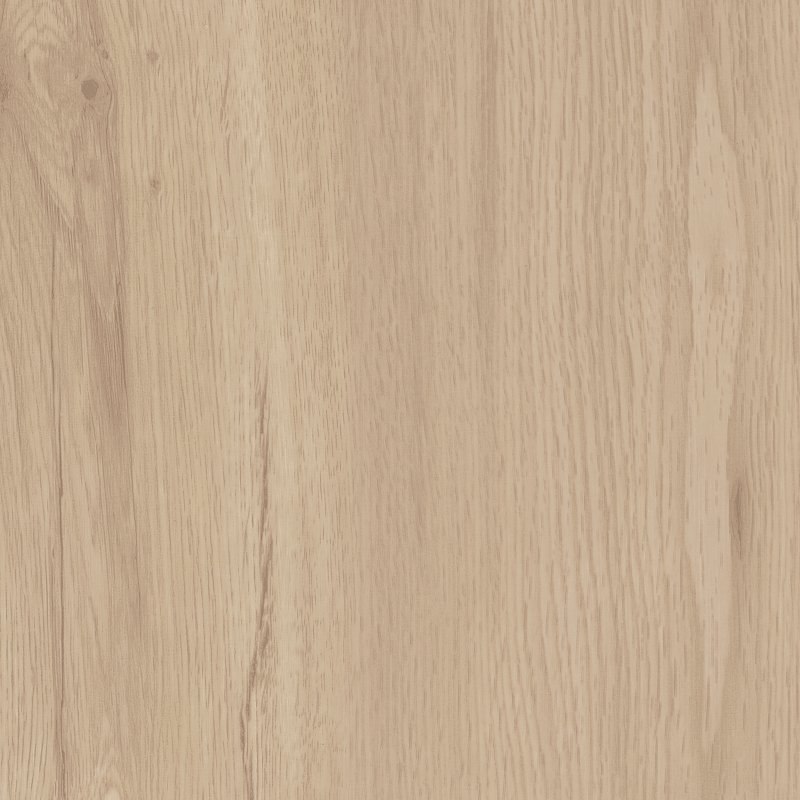
Corner Trim Self-Adhesive 10mm Oak Beige 63187
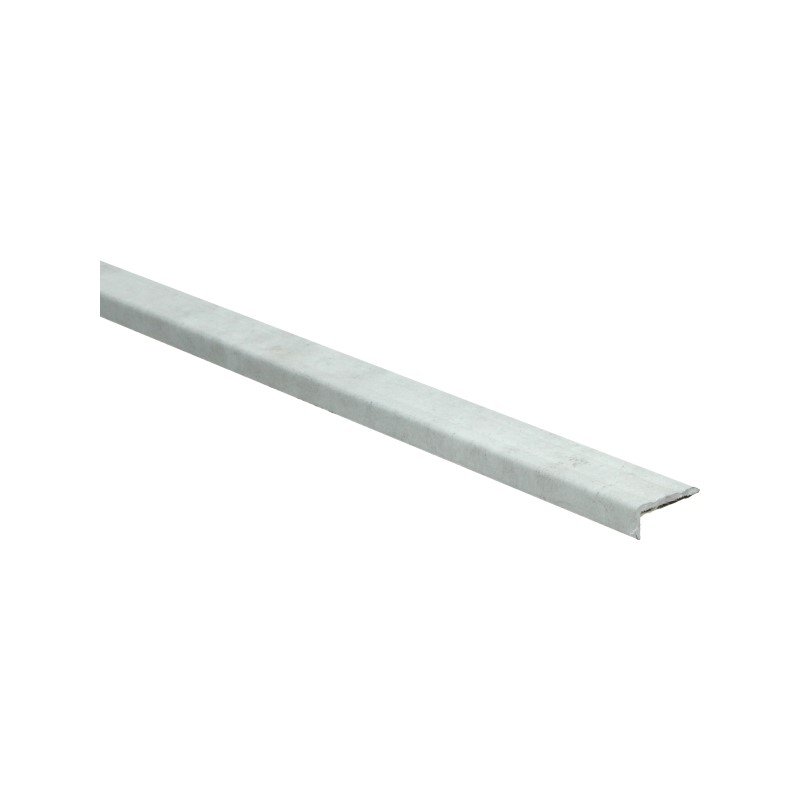
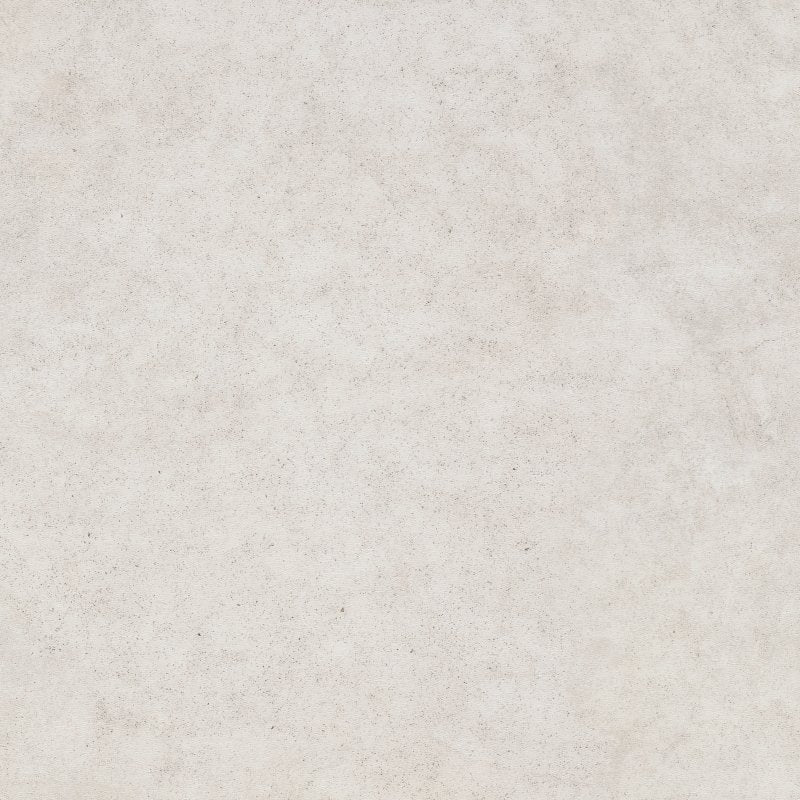
Angle Profile Self-Adhesive 10mm Concrete White 63175
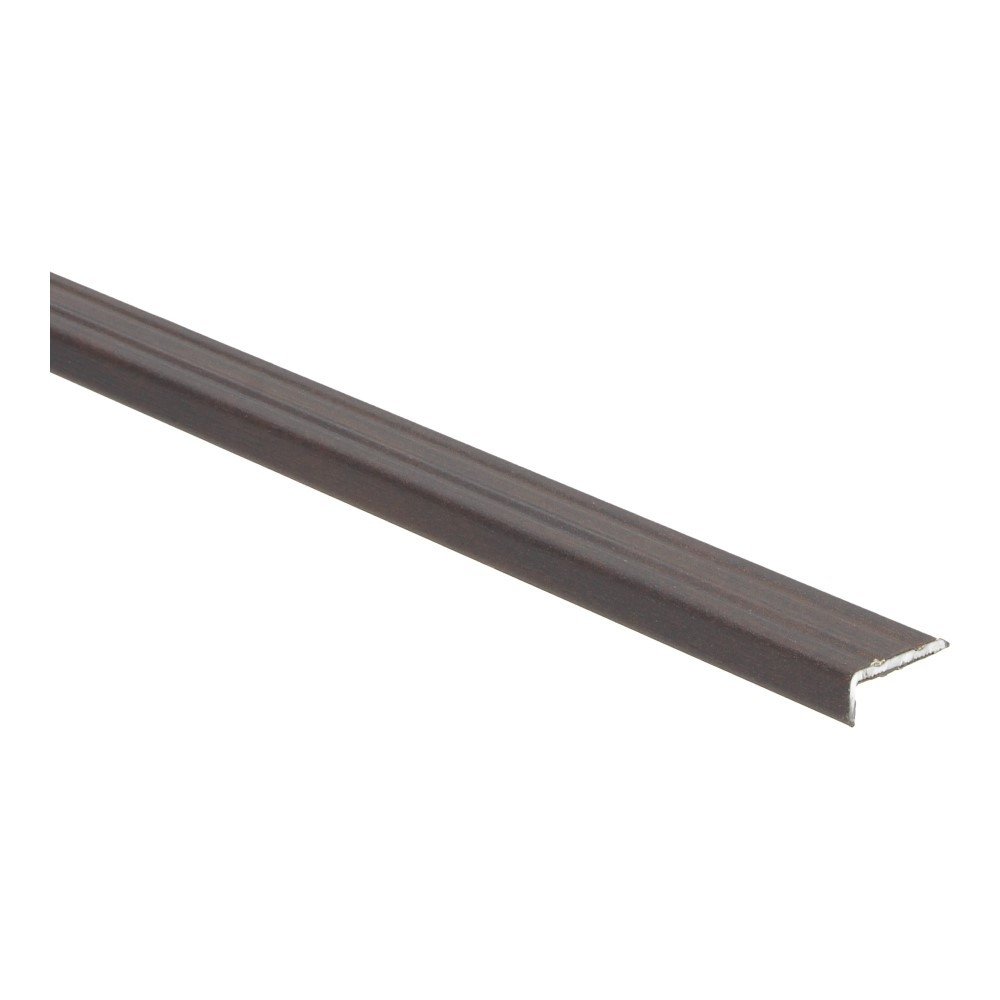
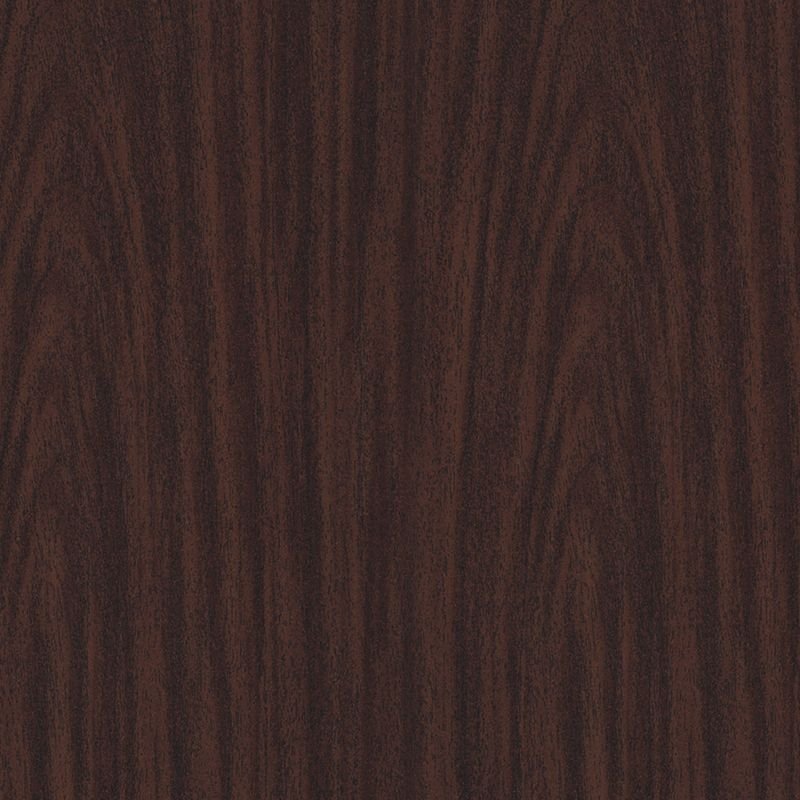
Angle Trim Self-Adhesive 10mm Palisander Black Varnished 63174
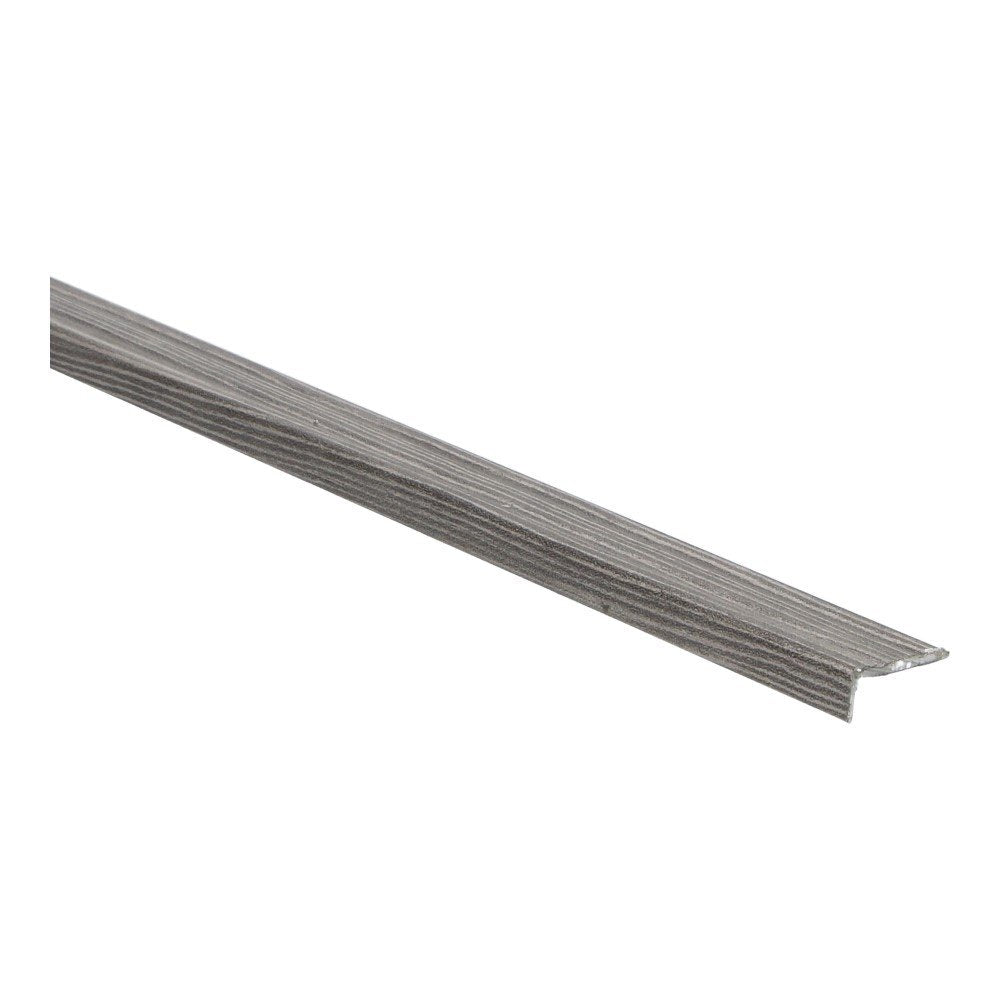
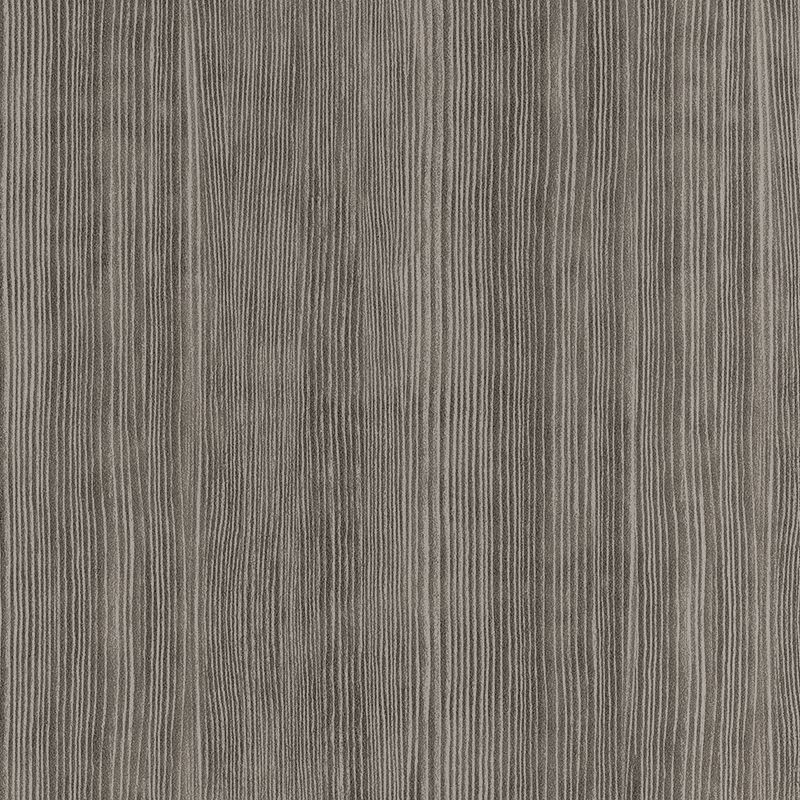
Self-Adhesive Corner Trim 10mm Grey Washed Pine 63182
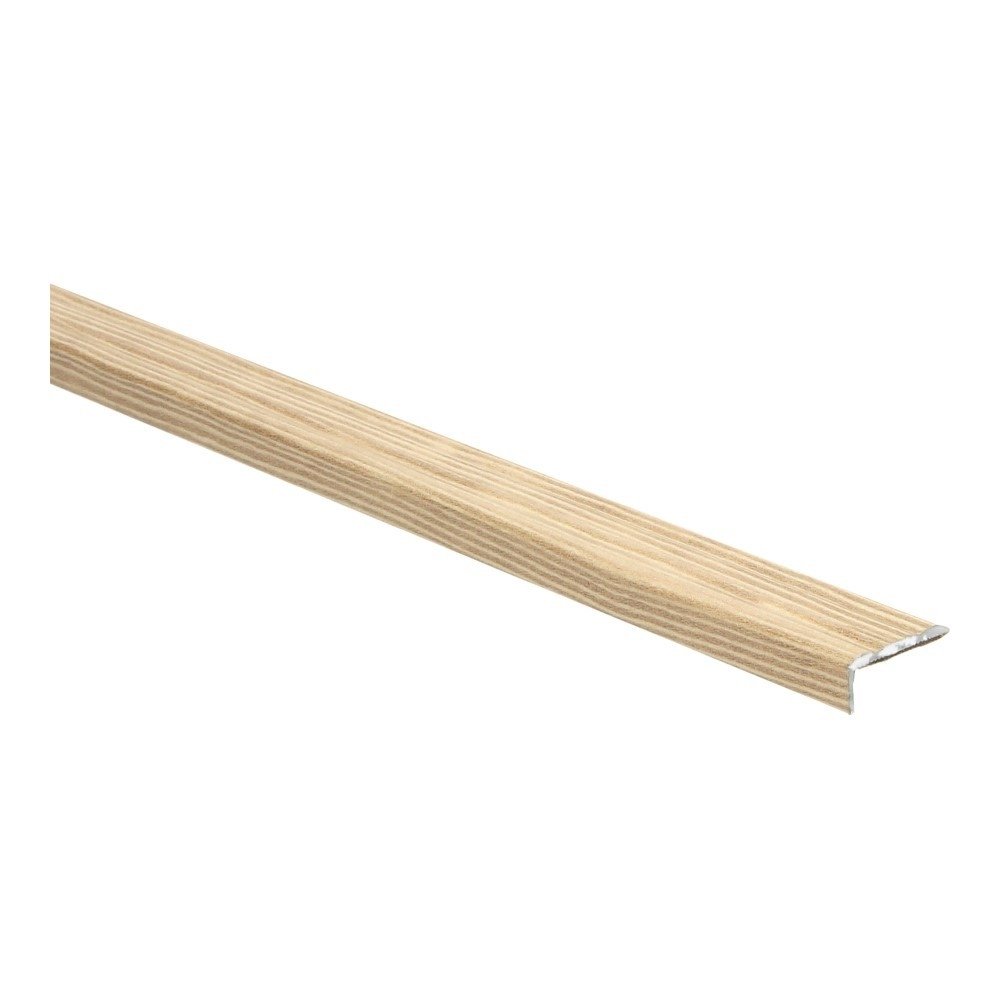
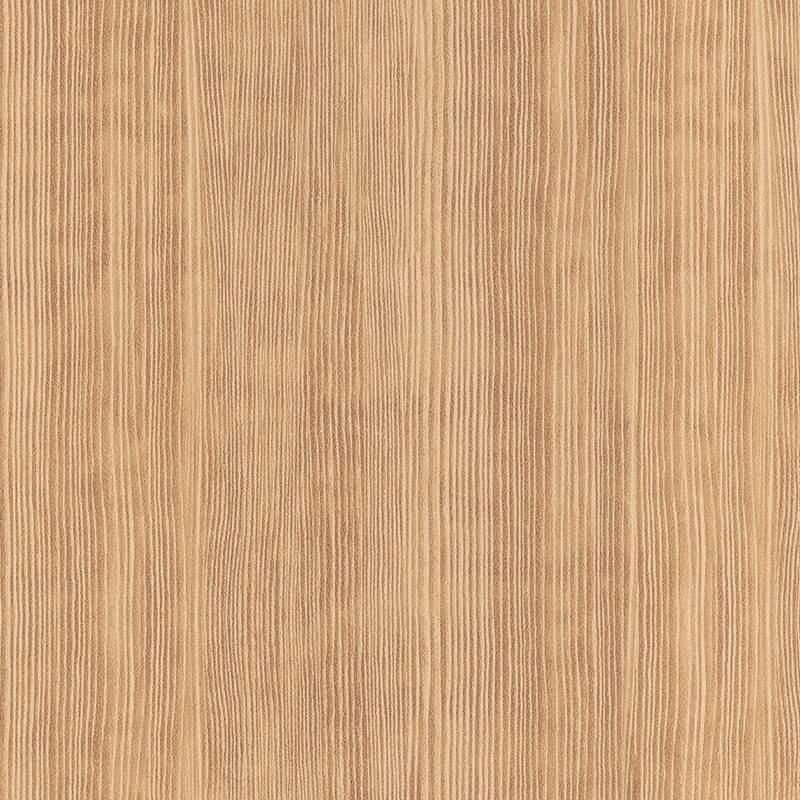
Self-adhesive Angle Profile 10mm Old Pine 63181
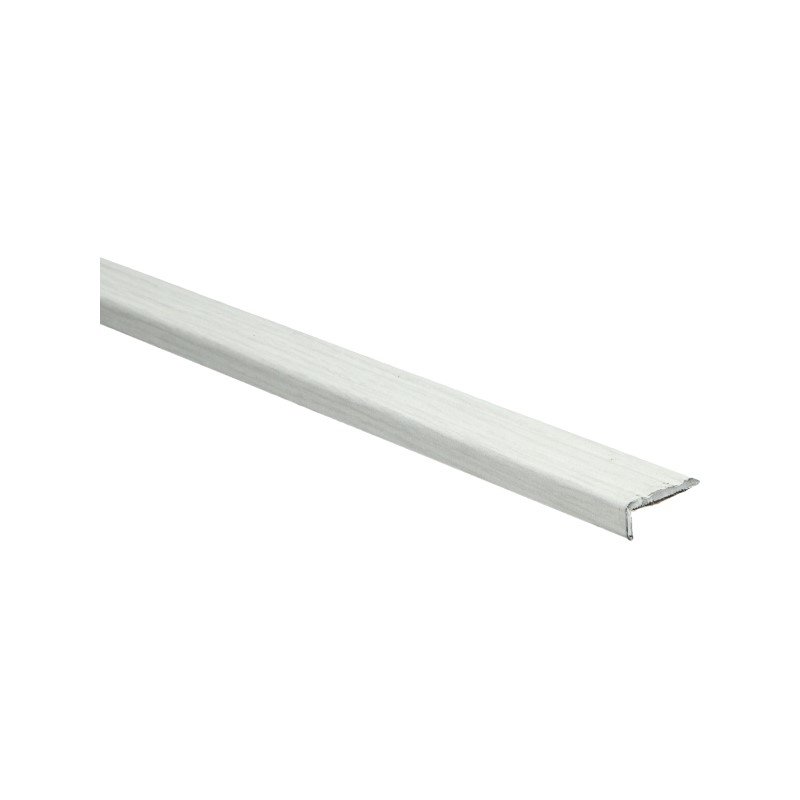
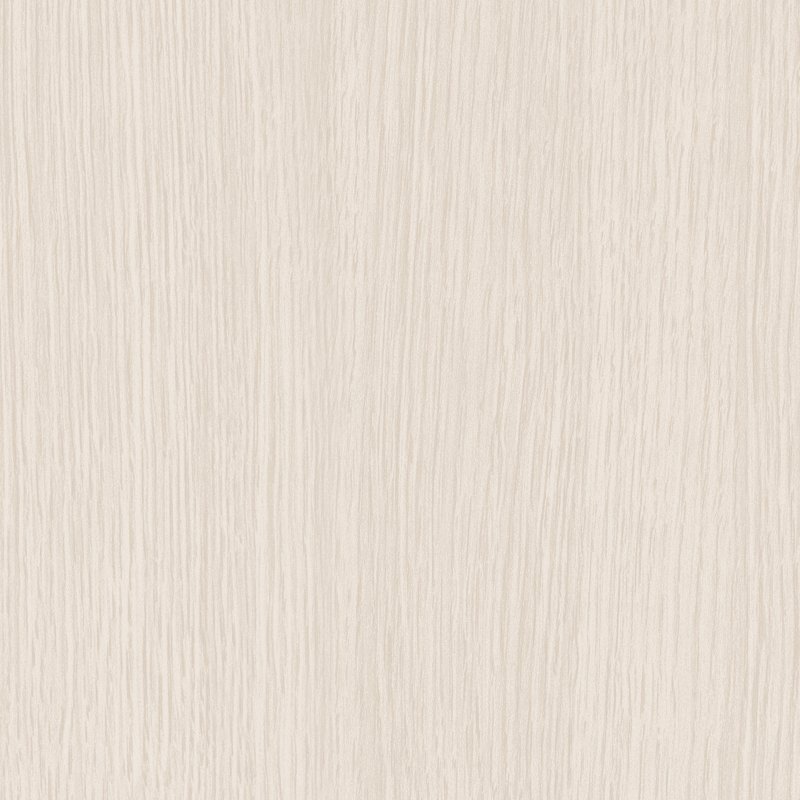
Angle Profile Self-Adhesive 10mm Oak Cotton White 63178
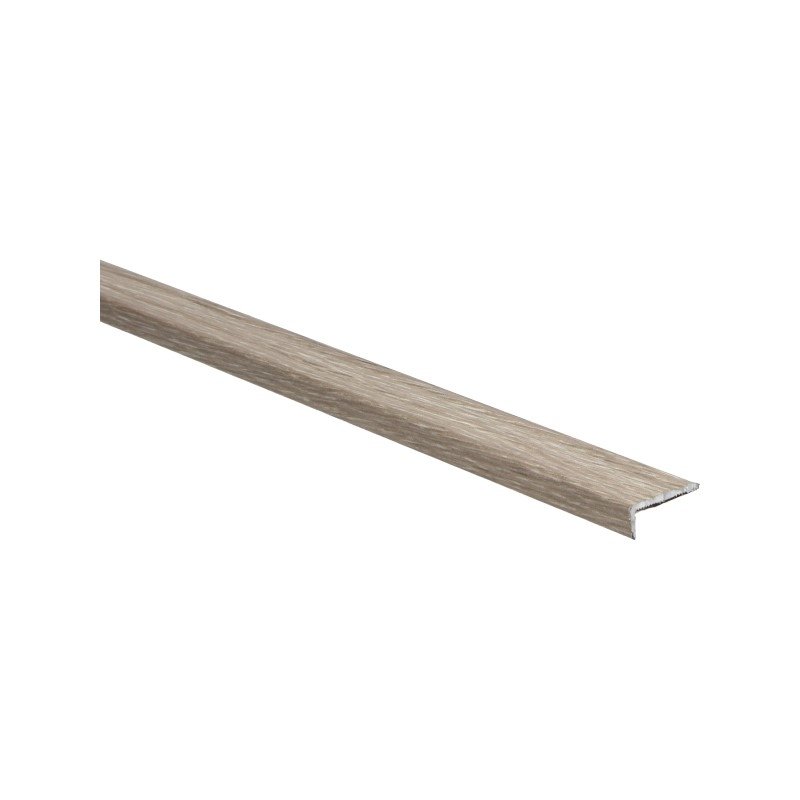
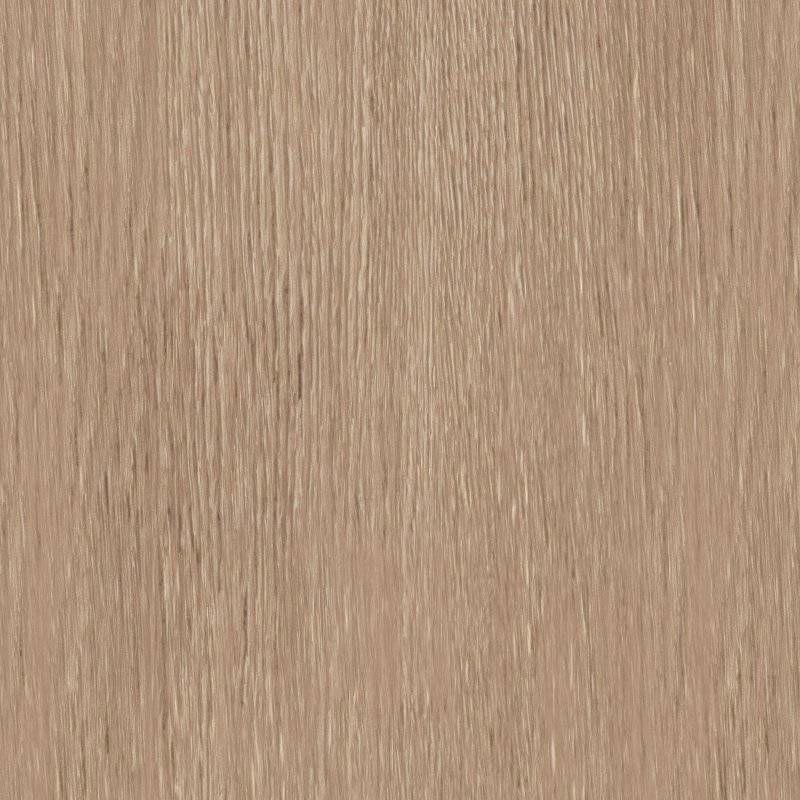
Angle Profile Self-adhesive 10mm Oak Cinnamon 63176
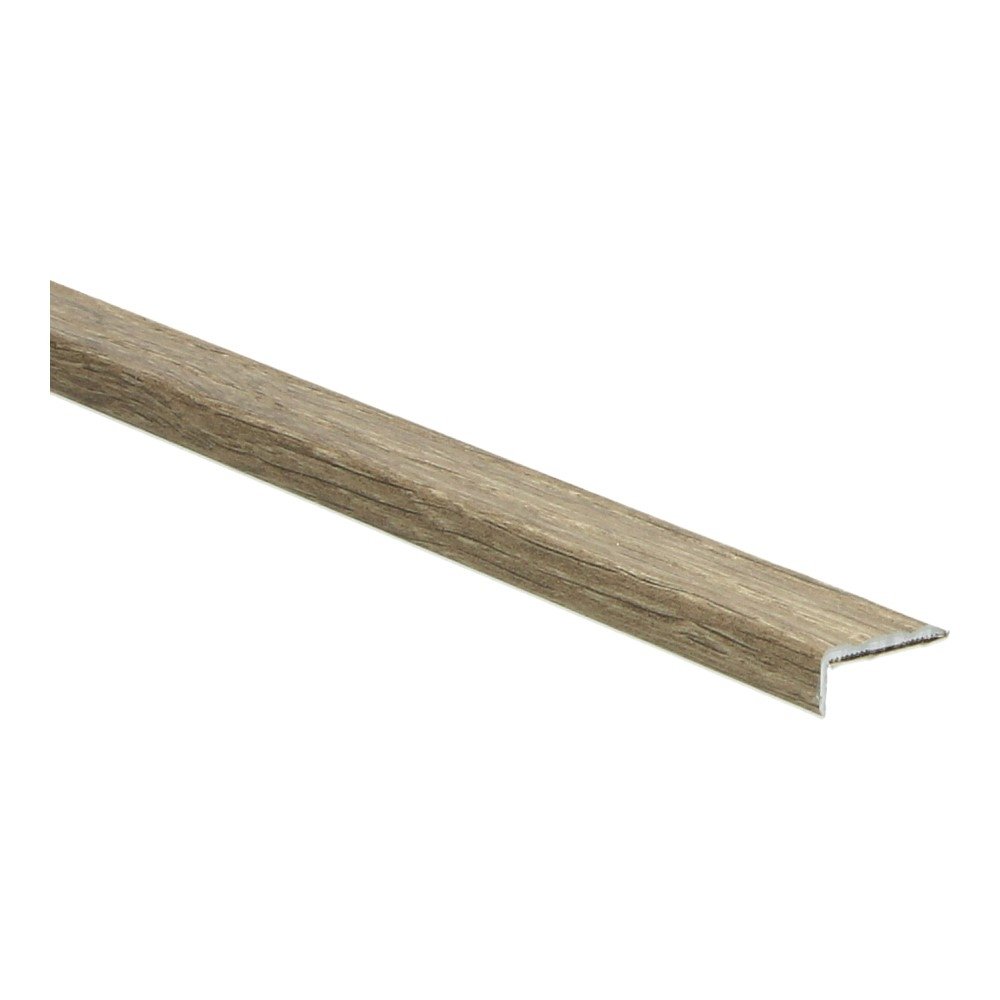
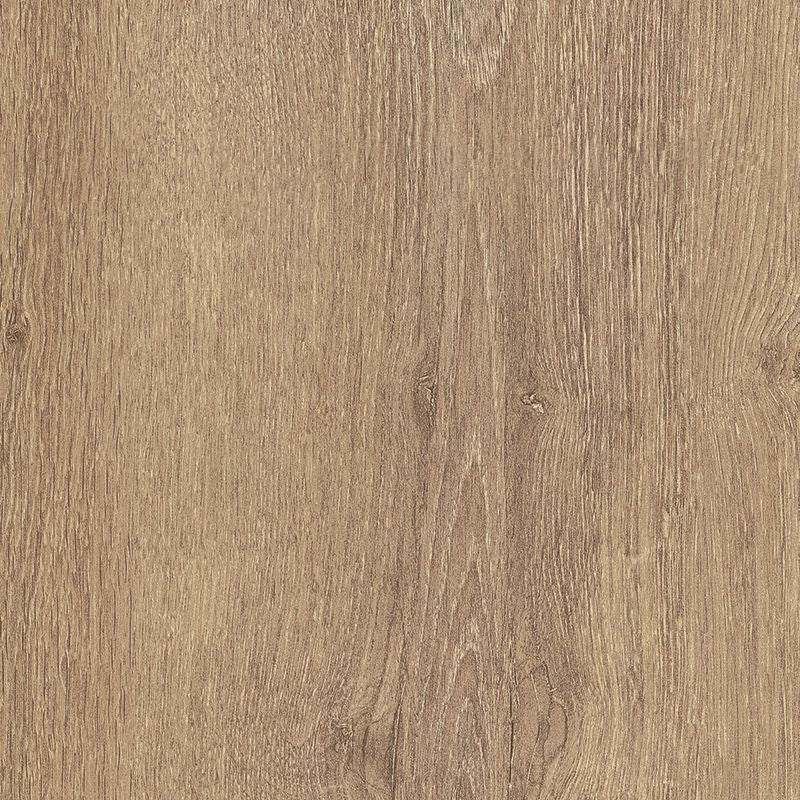
Angle Profile Self-Adhesive 10mm Light Oak Oiled 63166
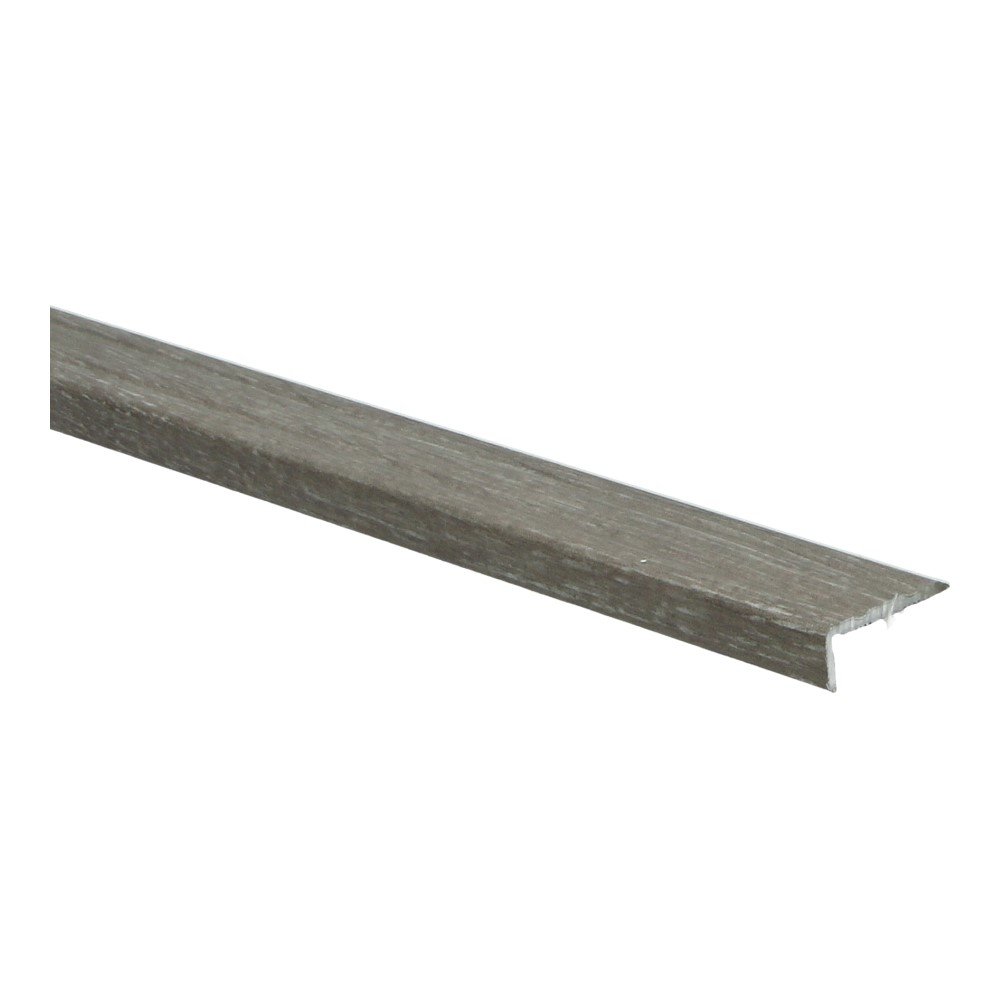
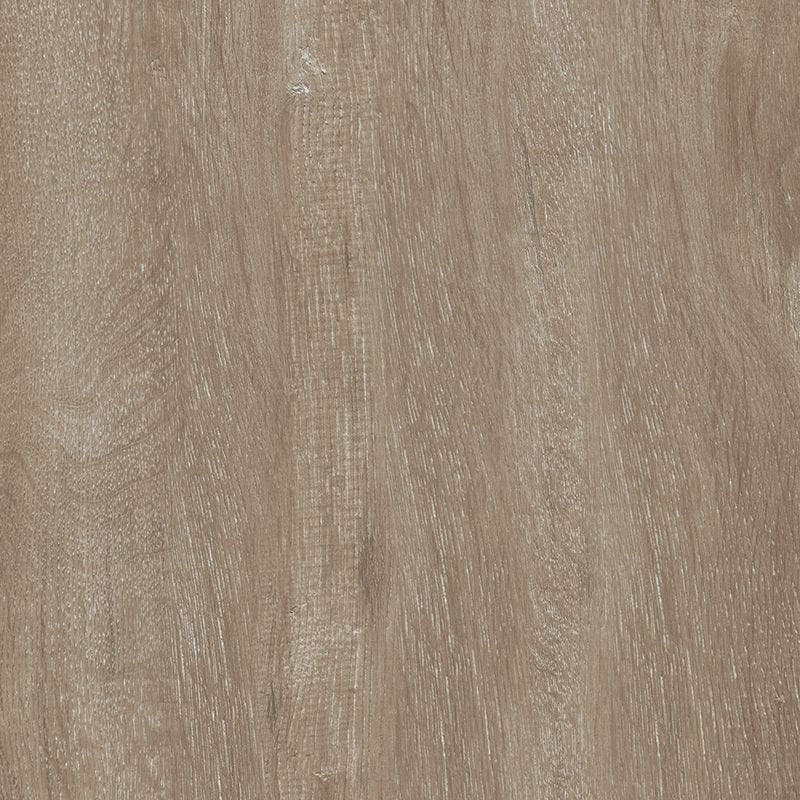
Self-Adhesive Corner Profile 10mm Woodland Oak Brown 63172
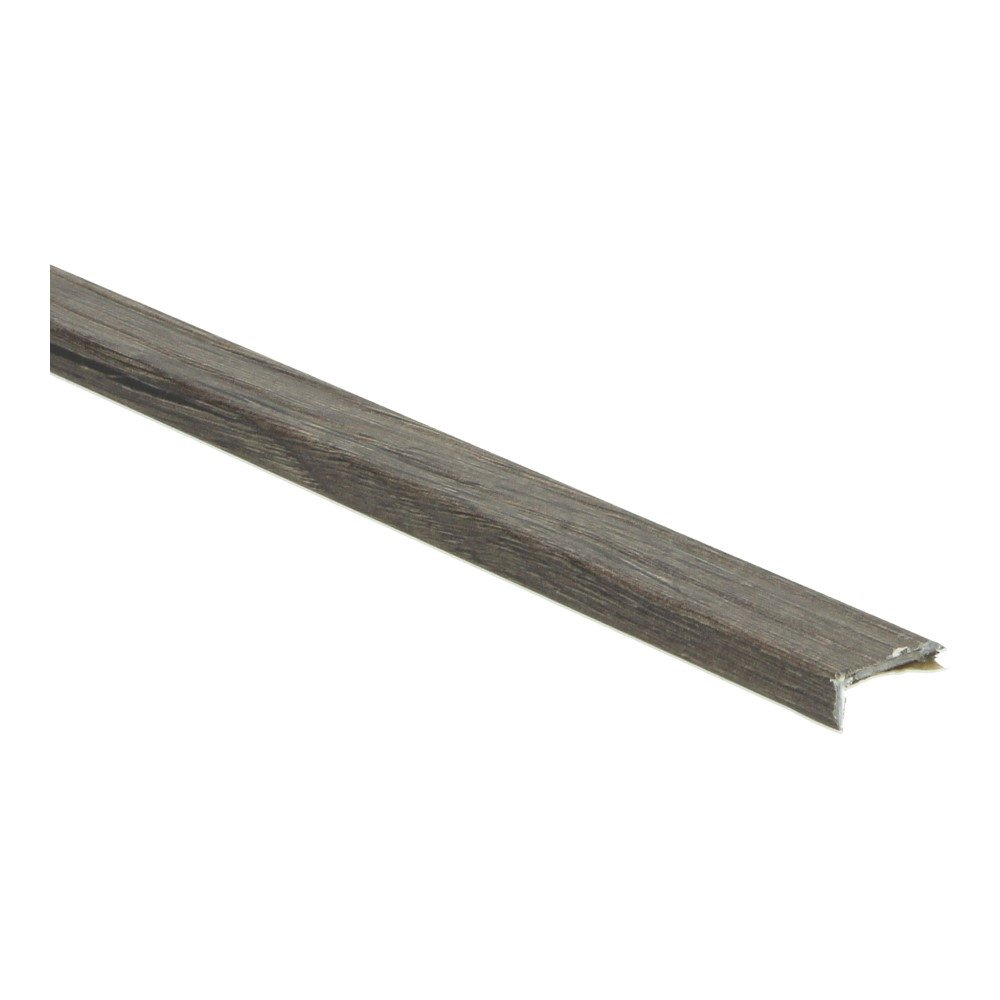
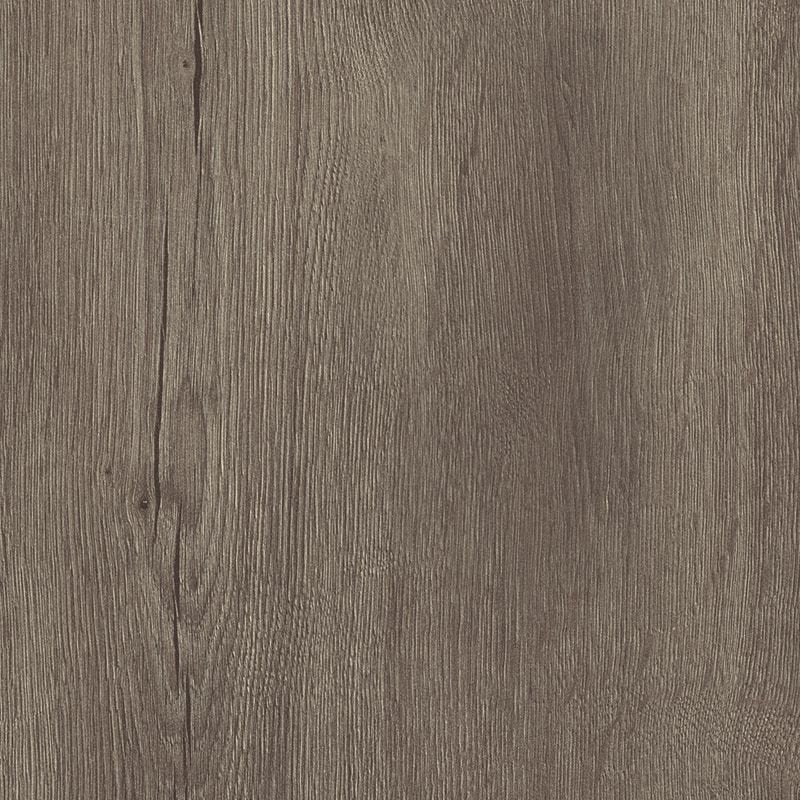
Self-adhesive Angle Profile 10mm Driftwood Oak Brown 63164
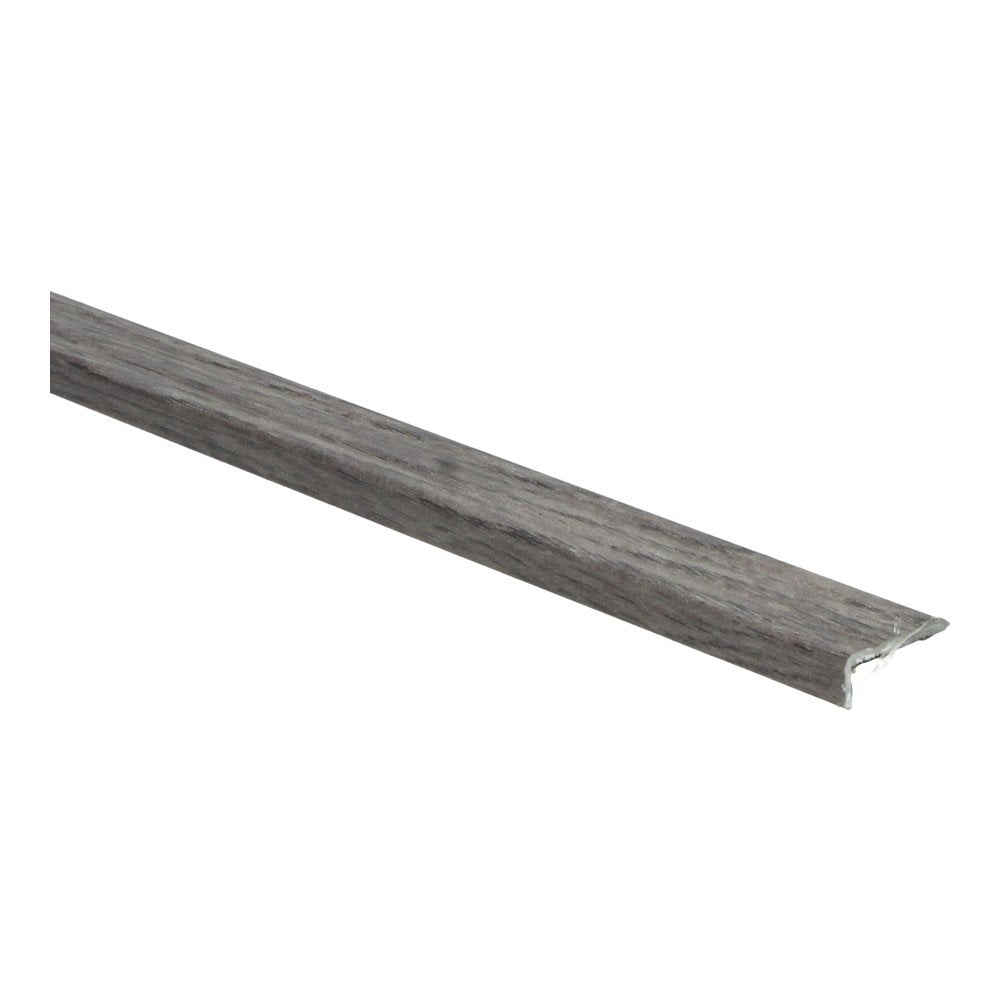
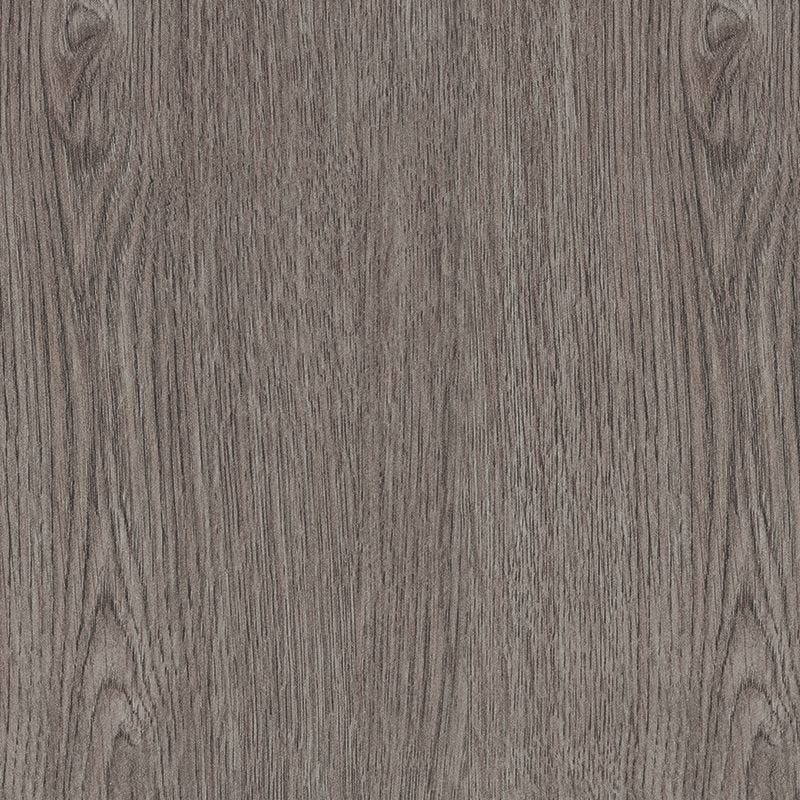
Angle Trim Self-Adhesive 10mm Oak Silver Grey 63162
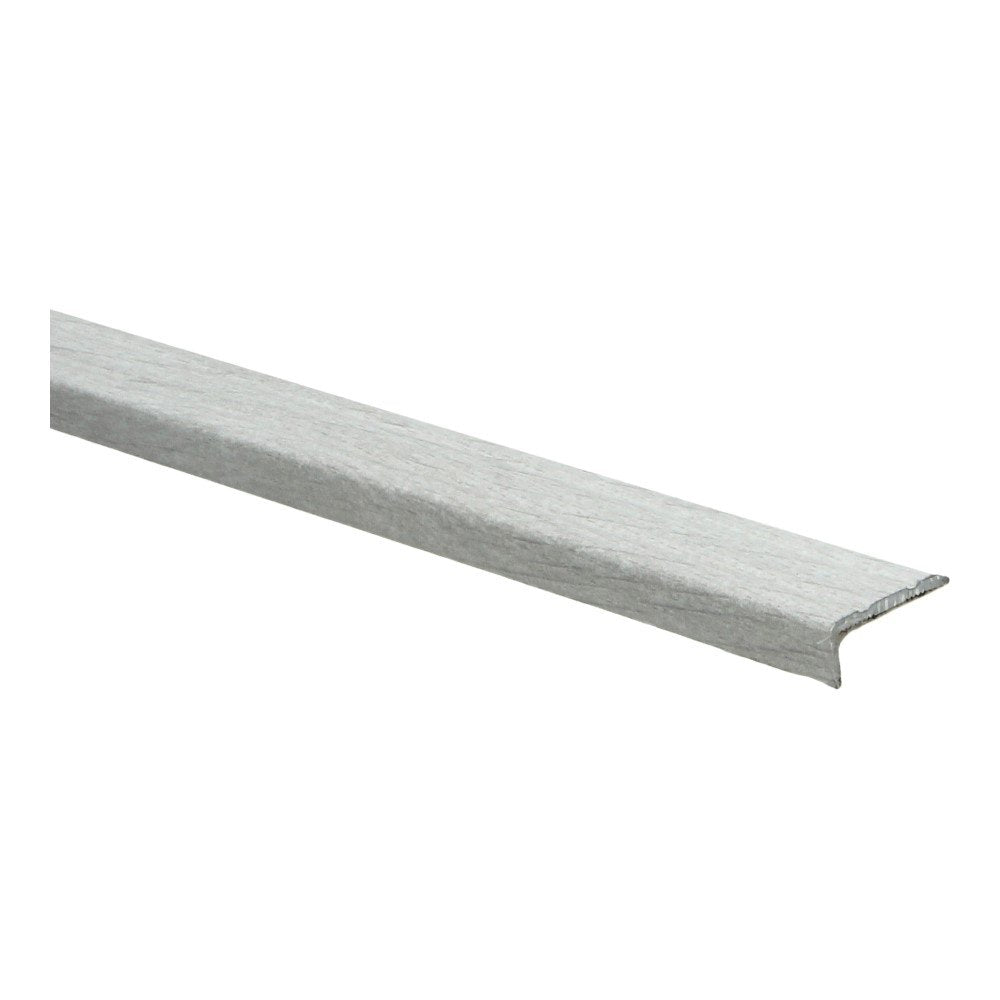
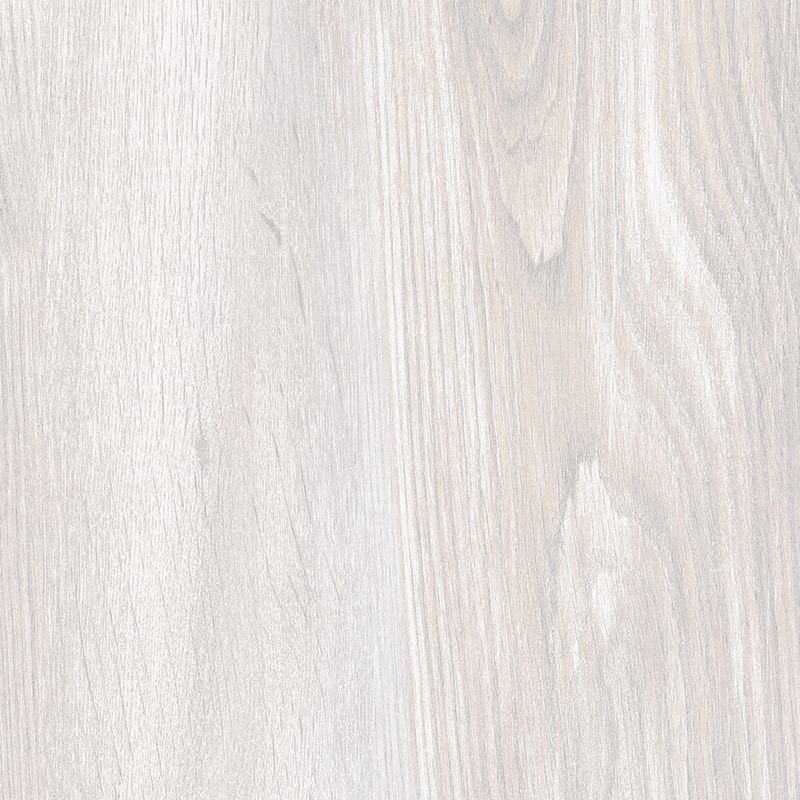
L-Profile Self-Adhesive 10mm English Oak Light Gray 63171
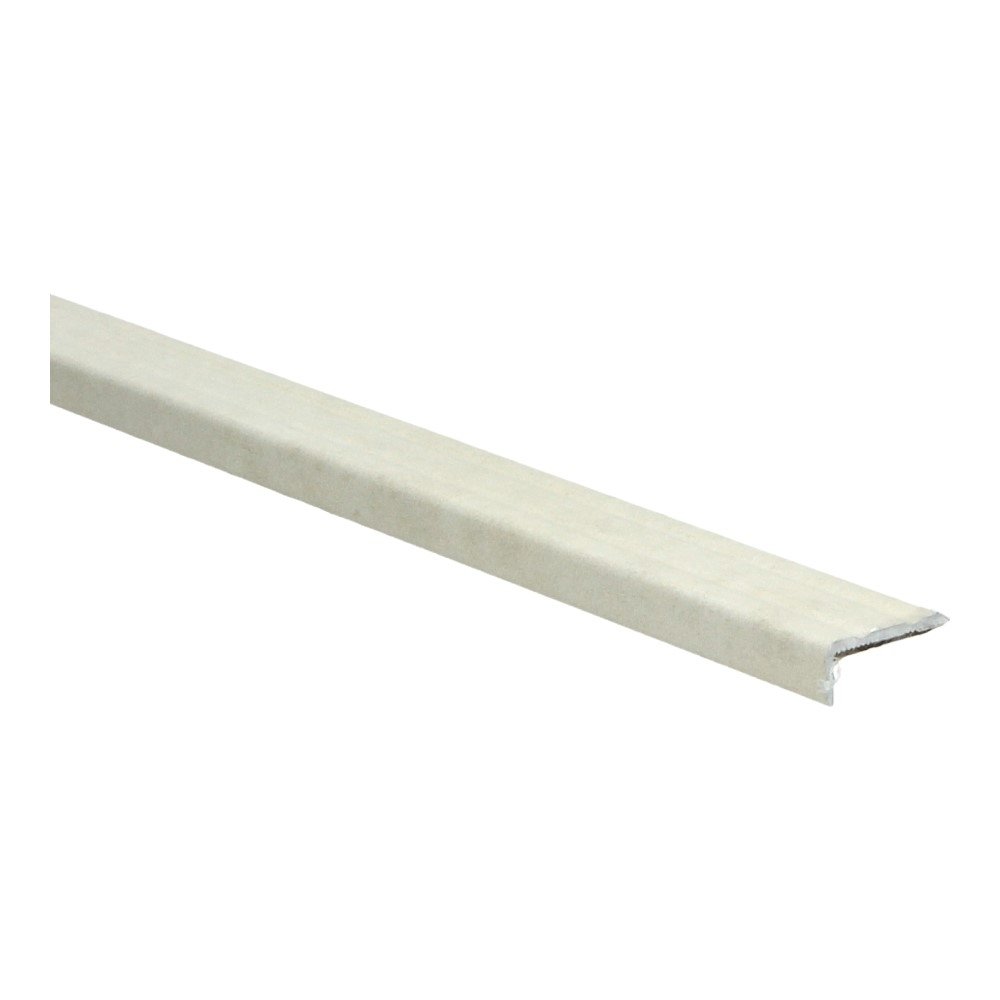
Angle Trim Self-Adhesive 10mm Tivoli Travertin 63169
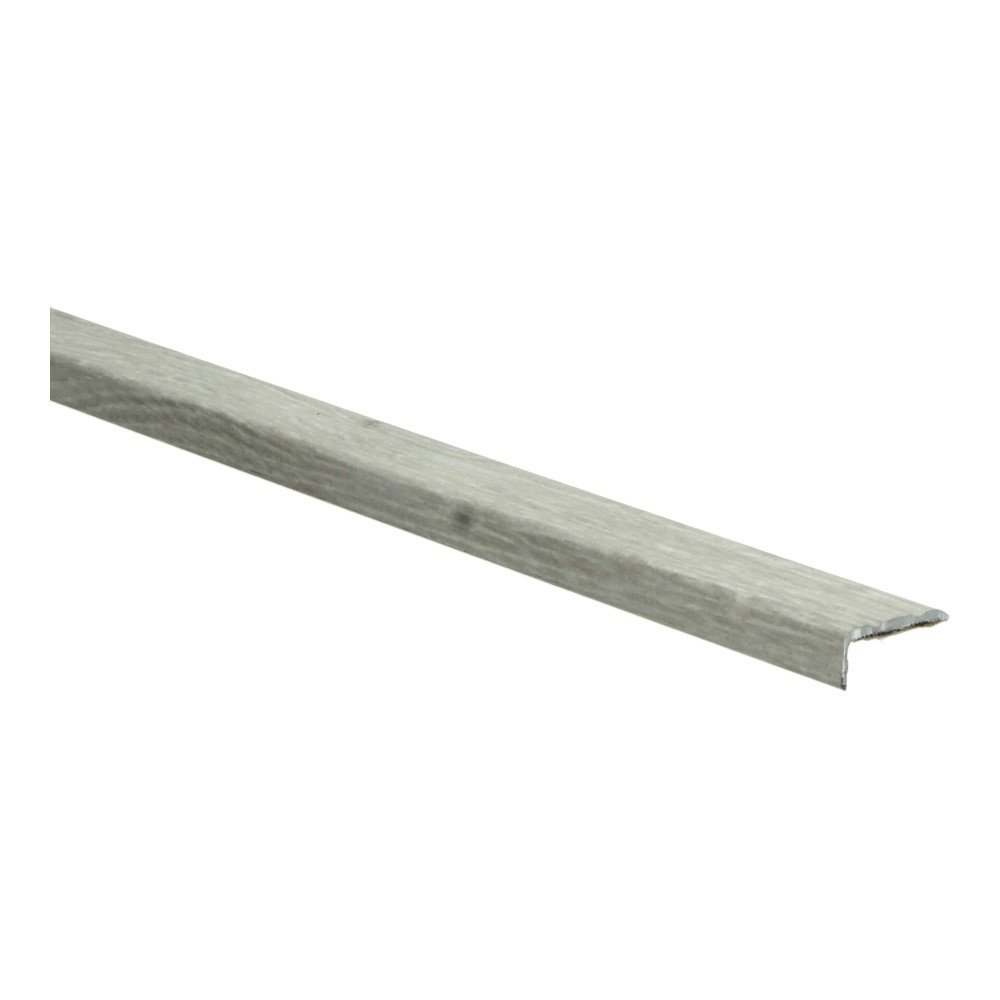
Corner Profile Self-Adhesive 10mm Tennessee Grey Oak 63161
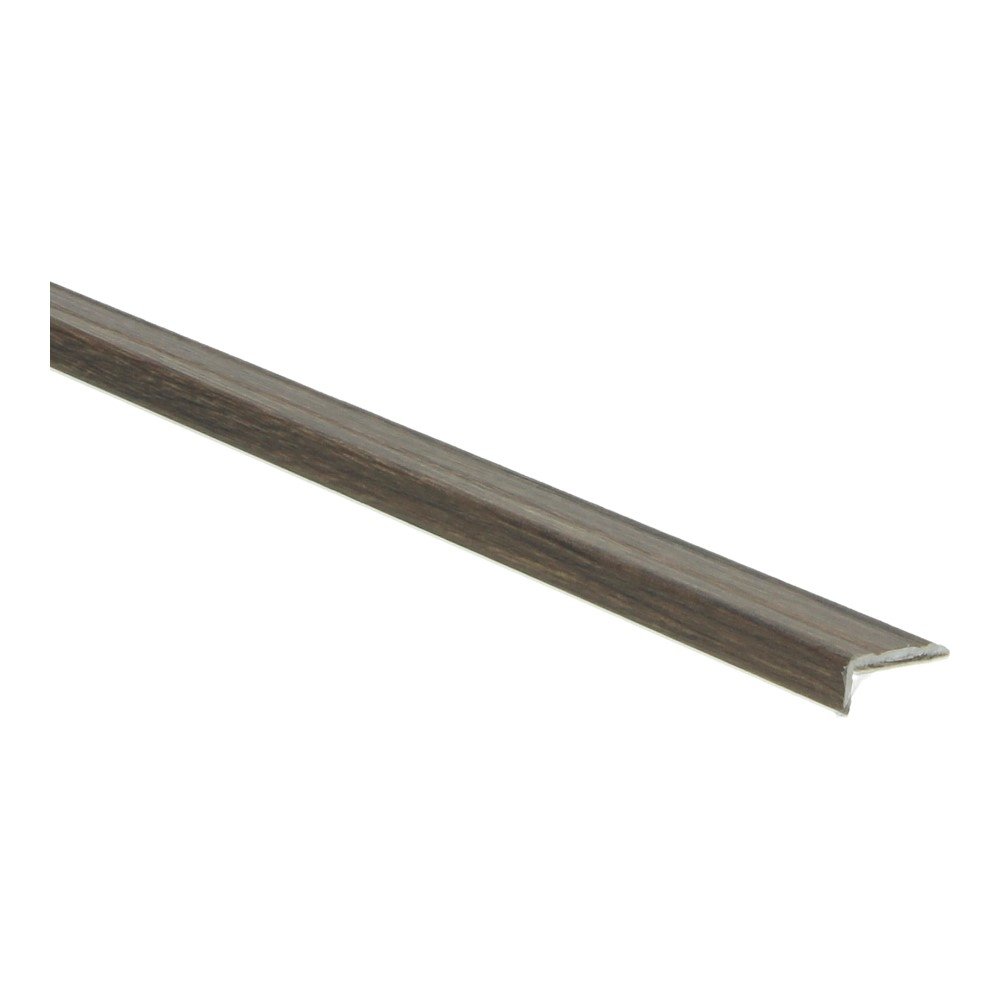
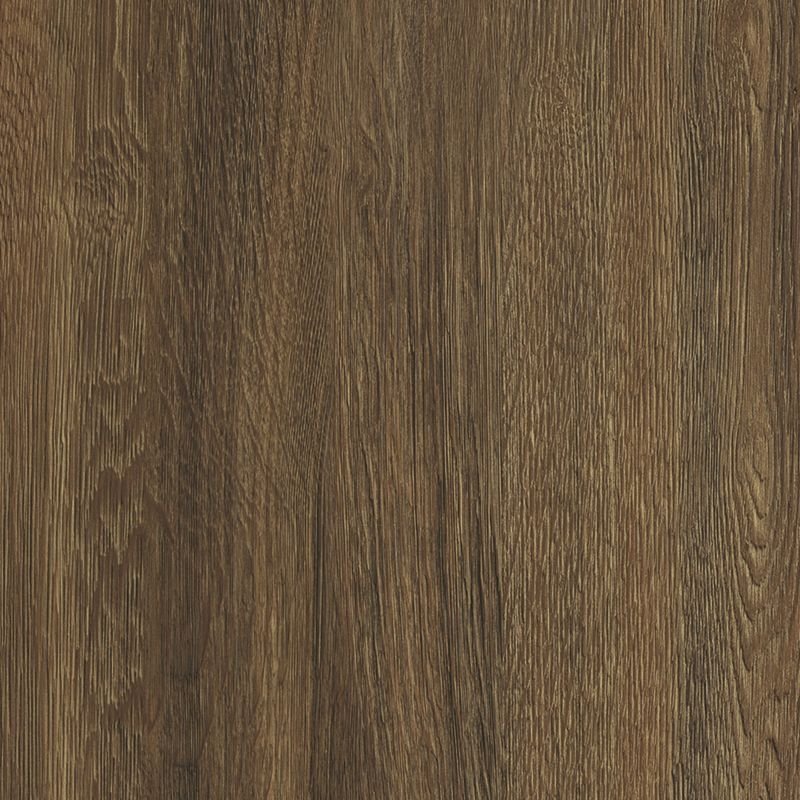
Angle Trim Self-Adhesive 10mm Oak Brown Oiled 63167
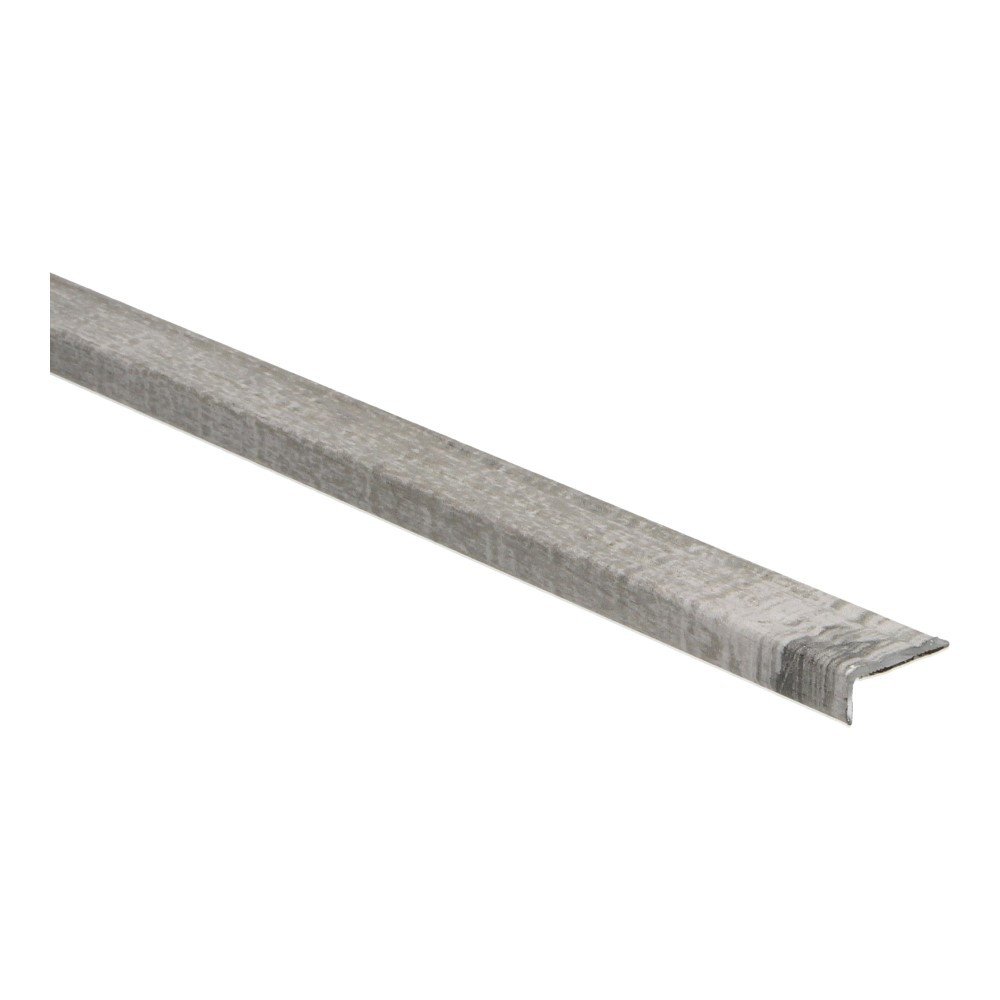
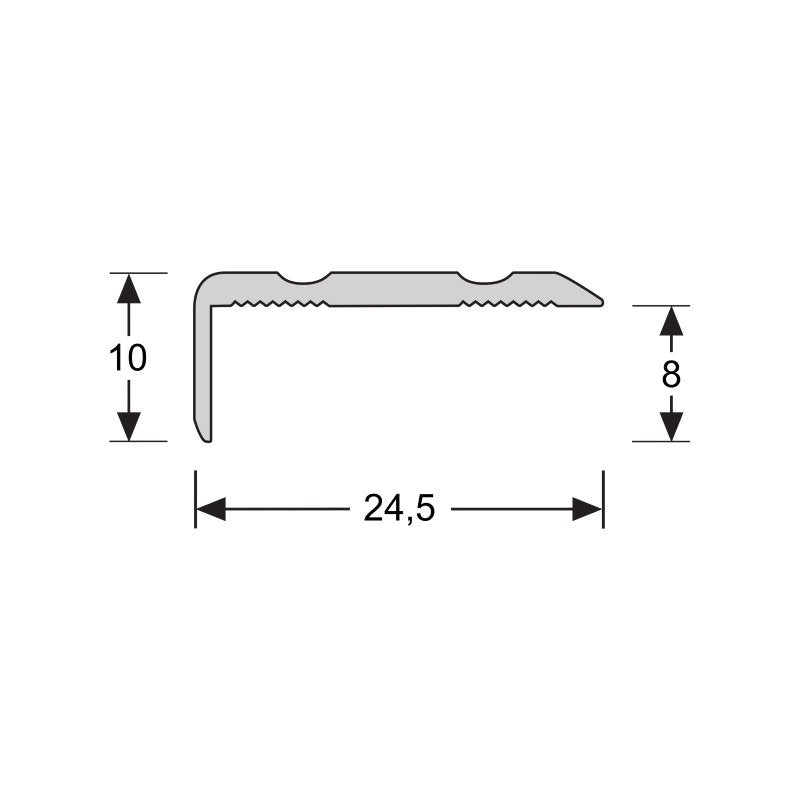
Angle Trim Self-adhesive 10mm Oak Grey With Saw Cut 63157
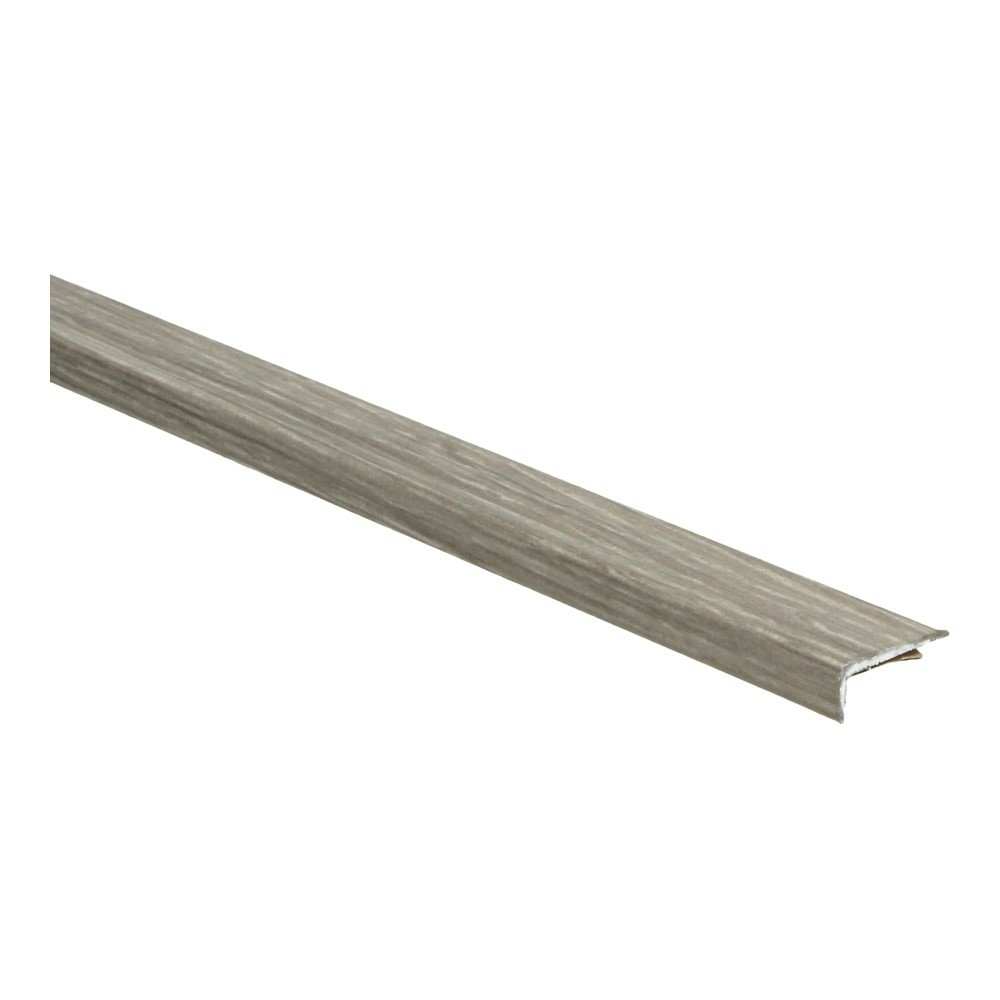
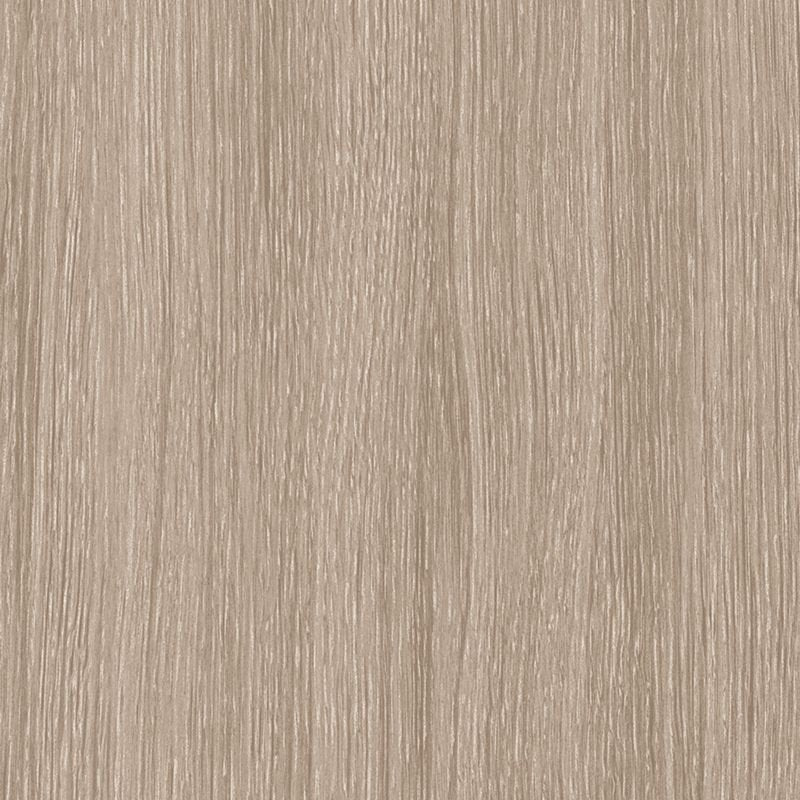
Corner Profile Self-Adhesive 10mm Smoked Oak White Oiled 63165
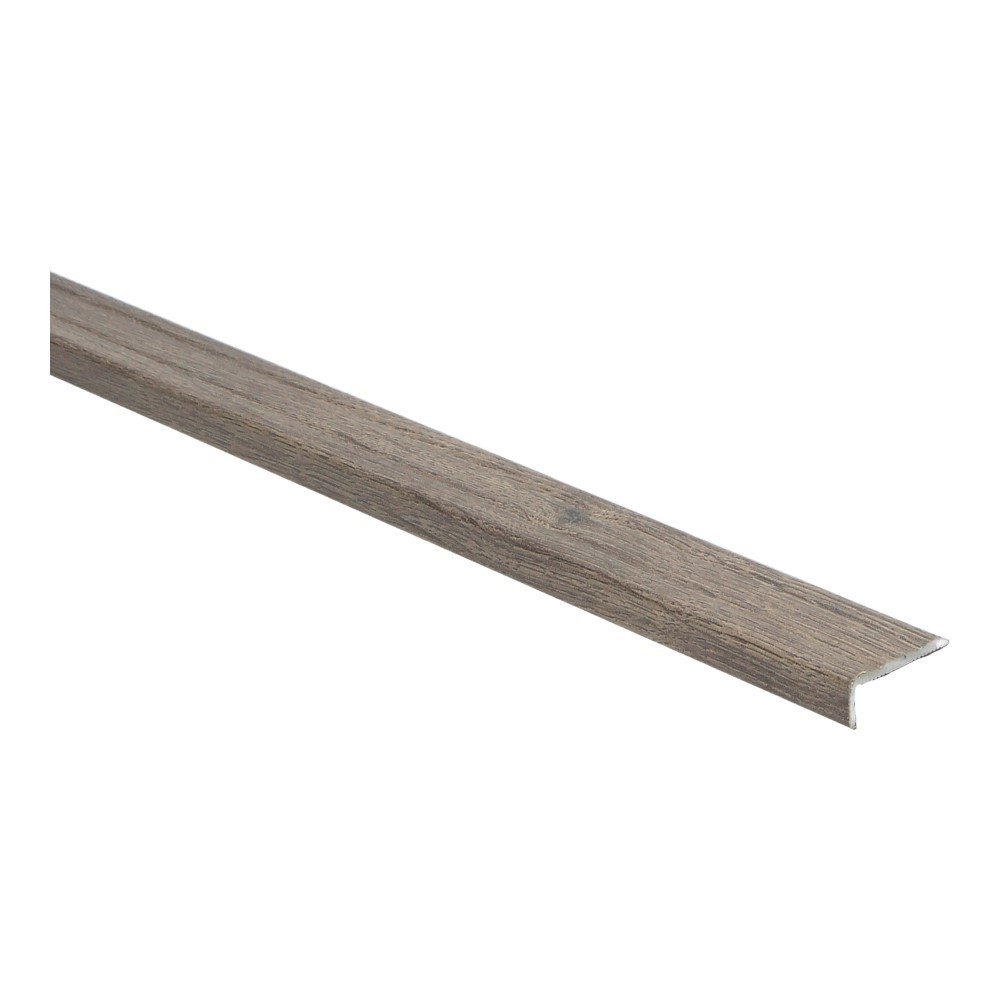
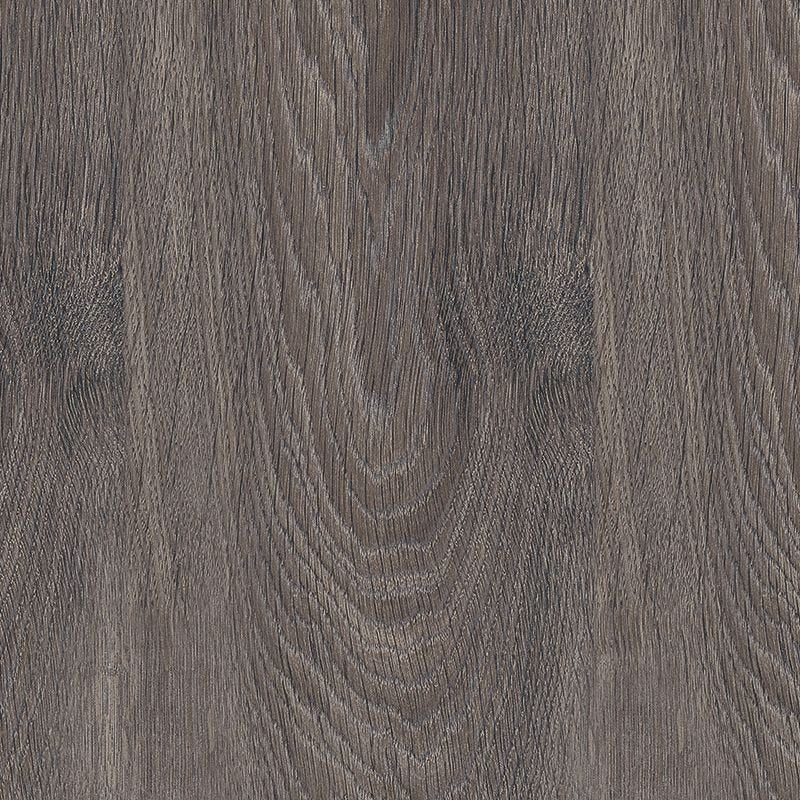
Angle Trim Self-Adhesive 10mm Classic Oak Brown 63158
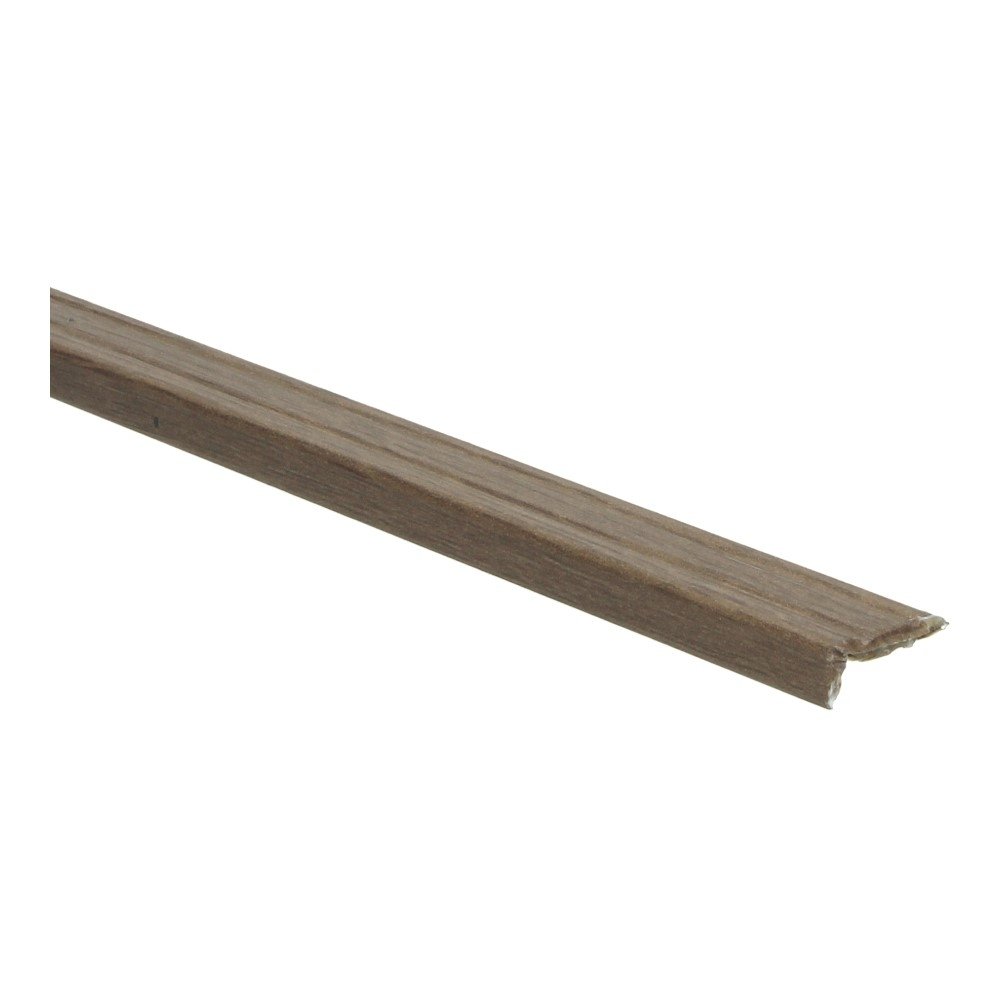
Self-adhesive Angle Trim 10mm Smoked Oak 63163
- Featured
- Most relevant
- Best selling
- Alphabetically, A-Z
- Alphabetically, Z-A
- Price, low to high
- Price, high to low
- Date, old to new
- Date, new to old
Why an angle profile?
Angle profiles are also often used as a type of finishing at the top of stairs, especially if you have, for example, laminate flooring. They serve as a neat transition between the floor at the top of the stairs and the treads themselves. This not only enhances the aesthetic value but also protects the edges of the floor from wear and tear and damage from daily use. It not only makes the stairs safer but also gives the whole a well-maintained appearance.
What is the difference between an angle profile and a duo-angle profile?
An angle profile and a duo-angle profile are both metal profiles often used in construction, but they have different applications and designs.
- Angle profile: This is an L-shaped metal profile with two long sides that form a right angle with each other. Angle profiles are typically used to reinforce or protect the edges of materials, such as in floors, walls, and roof edges. They provide extra stability and prevent damage to the edges of the materials.
- Duo-angle profile: A duo-angle profile is essentially a variant of the angle profile. The difference is that it has two parallel L-shaped sides, resulting in two right angles running parallel to each other. This design makes duo-angle profiles stronger and more suitable for applications where extra load-bearing capacity is needed. They are often used in constructing sturdy frame structures, such as in the building of shelving, racks, and load-bearing constructions.
In short, the main difference between an angle profile and a duo-angle profile lies in their design and intended use. Angle profiles have one L-shaped side and are used for protection and reinforcement of edges, while duo-angle profiles have two parallel L-shaped sides and are stronger, suitable for load-bearing applications.
Frequently asked questions about Hoeklijnprofielen
What is an angle profile?
An angle trim is an L-shaped finishing profile used to protect and neatly finish the edges and corners of floors, stairs, and walls.
Are there different finishes for angle profiles?
Yes, angle profiles are available in finishes such as brushed, polished, anodized, and lacquered. This makes it possible to match them to the style of the floor or wall.
Can angle profiles be used outdoors?
Certain angle profiles, such as those made of stainless steel or anodised aluminium, are suitable for outdoor applications because they are weather-resistant. So first check the description carefully to see if it can be installed outdoors.
Are there angle profiles with an anti-slip function?
Yes, some angle profiles have an anti-slip texture and are specifically used for stair edges to prevent slipping.