
The Difference Between Ceramic Tiles and Cement Tiles

You're looking for tiles for your home. Perhaps you want to lay floor tiles in the kitchen or wall tiles in the toilet or bathroom. During this search, you come across all sorts of nice and suitable options. Yet, you're not sure if that one tile you like fits your vision.
You know which tiles you like, but you don't have much knowledge of materials. The two types of tiles you encounter most are cement tiles and ceramic tiles. What exactly is the difference between ceramic tiles and cement tiles? In this blog post, we'll tell you more about it.

Photo 1: Side view of different ceramic tiles
What is the difference between cement tiles and ceramic tiles?
Ceramic tiles and cement tiles are both popular options for floor materials or wall coverings, but there are some important differences between the two.

Photo 3: Portuguese cement tile floor
How are ceramic tiles made?
Ingredients
Ceramic tiles are made from clay and other minerals. Ceramic wall and floor tiles are fired in kilns. This process is fully automated and done on a large scale. Before the tiles enter the kilns, a thin top layer is applied to give them their appearance. This is an extremely thin layer containing, among other things, the colors. This layer is as thin as what comes out of your printer when you make a color print.
Firing
By firing this top layer and the clay tile, extremely hard, durable tiles are created. However, the top layer is the only part of the tile that gives it its appearance. With cement tiles, you would still see the pattern even if a few centimeters of the tile were worn away.
Top layer
The top layer of ceramic tiles can be applied to the tiles using a type of printer. This printer can be set to any desired pattern, color, or look. Think of a ceramic tile with a wood look or ceramic tiles with a Portuguese pattern. The disadvantage is that this printed top layer can never look as authentic as the real thing.

Photo 2: Production process of ceramic tiles // top layer just applied, now they can go into the ovens
How are cement tiles made?
Ingredients and production
Cement tiles are made from Portland cement or marble powder, water, sand, and color pigments. A color mixture is created and poured into a mold. This colored layer, approximately 5mm to 1cm thick, is covered with cement and then pressed under high pressure to form a hard tile. After pressing, the tiles must dry in drying rooms.
Patterns and colors in top layer
For red cement tiles without a pattern, a red color pigment is added to the raw materials for the top layer. This mixture goes into a mold, is then filled with cement, and subsequently pressed into a tile. When the tile comes out of the mold, the top surface has a very thick colored top layer. If a few millimeters of the tile wear off, it will still look the same.
Portuguese cement tiles often feature a pattern consisting of multiple colors. In this case, the mold is divided into different sections to create a pattern. Each section is filled with its own color mixture.

Photo 3: Cement tile production process // Pattern in the mold is filled with color
The main differences between ceramic tiles and cement tiles
Cement tiles are thicker and more versatile
Cement tiles are thicker than ceramic tiles and have a more textured surface. Especially when cement tiles are handmade, the surface is not entirely smooth. They look lively and atmospheric. Because cement tiles are thicker, they are more versatile. Cement tiles can be used both indoors and outdoors. Ceramic tiles, on the other hand, are only 1cm thick. You cannot place these everywhere because they break easily.
Durability of ceramics
According to many experts, ceramic tiles are more durable. Because ceramic tiles are fired in kilns at 1185 degrees, they become extremely hard. The tiles become waterproof, wear-resistant, scratch-resistant, colorfast, and dimensionally stable. This makes ceramic tiles suitable for areas with heavy traffic. Think of a kitchen floor or a toilet that is frequently walked on. When tiles are used as wall tiles, this is, of course, not an issue.
One caveat is that the top layer of ceramic is wafer-thin. If the tiles do wear down after a few decades, their appearance will be gone.
Durability of cement tiles
Cement tiles, on the other hand, have a much thicker top layer, sometimes as thick as 1cm. This layer will not wear off completely for a century. In that respect, cement tiles might be more durable than ceramic tiles.
The disadvantage of cement tiles is that they are not waterproof and are susceptible to scratches. To make them more durable, you will need to impregnate them. This makes them waterproof and dirt-repellent. After impregnation, they are perfectly suitable for a floor in the kitchen, hallway, or living room. However, we do not recommend using them for a floor in an extremely wet area such as the bathroom.
Tile availability and price
Ceramic tiles are available in a wide range of colors, sizes, and styles, while cement tiles are usually limited to a few basic designs. Ceramic tiles are mass-produced in factories with enormous machines. Any desired pattern can be printed on the tiles via computer. Cement tiles are handmade, which means they take longer to produce and offer less choice. Ceramics are therefore significantly more affordable than cement tiles.
Appearance
The biggest difference between the two types of tiles is their appearance. Cement tiles are often colorful and known for their beautiful patterns. Because the tiles are handmade, they are a bit more robust and lively than other tiles. Ceramic tiles, on the other hand, are often sleek, duller, and less unique.
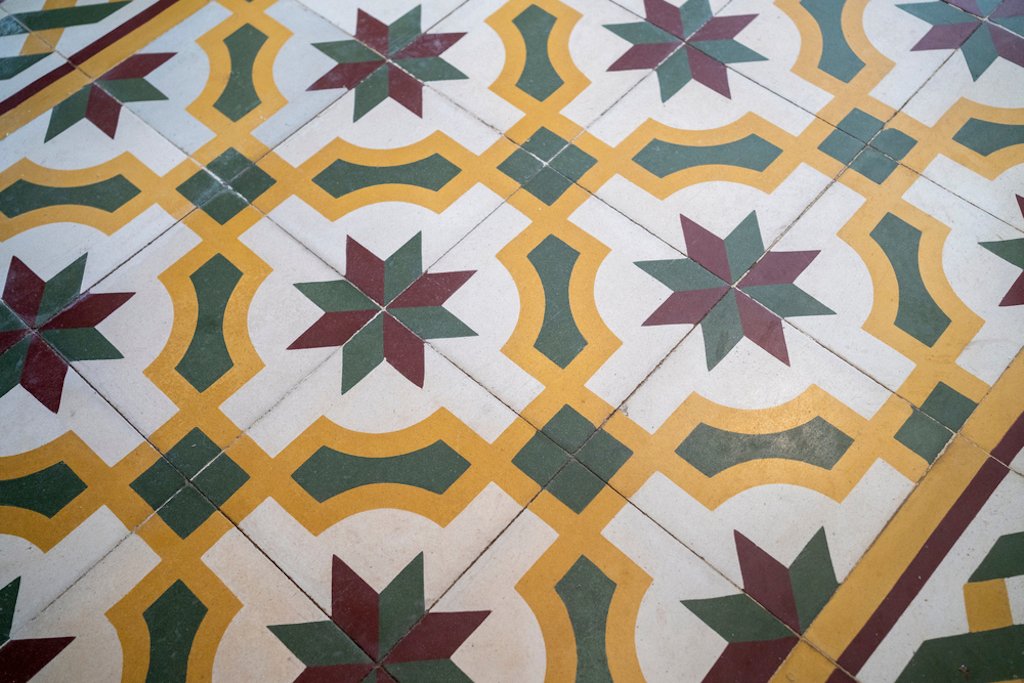
Photo 4: Cement tiles Portuguese pattern floor
The advantages and disadvantages of cement tiles
Many advantages and disadvantages of both tile types have already been mentioned in the paragraphs above, but let's summarize them again.
Advantages of cement tiles
Lifespan and cement tiles
Cement tiles have been used for centuries, both indoors and outdoors, for good reason. They are known for their long lifespan and resistance to stains and fading. Cement tiles are also fire-resistant and easy to clean. Especially when they are impregnated, these properties are greatly enhanced.
Unique offerings and appearance of cement tiles
Because cement tiles are often still made by hand in an authentic way, they are very unique. The handmade nature of the tiles makes them incredibly atmospheric and lively. The tiles are not glazed and have a matte finish. Especially in combination with unique patterns, this matte quality of the tiles creates a beautiful, atmospheric, and unique look.
Versatility
The aforementioned appearance creates a vintage, retro look, meaning the tiles fit almost any interior style. Especially since they are available in different colors and with different patterns. They can also be placed on both walls and floors. And even outdoors, you can use cement tiles for an atmospheric patio. However, impregnate cement tiles when used on floors indoors or outdoors.
Do you have a floor with underfloor heating? No problem, you can choose cement tiles.
Environment
Cement tiles are often seen as a more sustainable and environmentally friendly option than other materials such as ceramic or porcelain tiles. This is because they are not fired in kilns that require a lot of fuel.

Photo 5: Hall with Portuguese cement tiles on the floor
Disadvantages of cement tiles
Imperfections
Cement tiles are handmade, and this gives them their typical character. The downside is that cement tiles come with imperfections. The thickness, size, and color can vary slightly. If you don't like this, it can become bothersome. When you choose cement tiles, you are specifically choosing the atmosphere and character these imperfections bring.
Price
The authentic production method and place of origin mean that cement tiles are not cheap. Maintaining the tiles also costs money. In most cases, they need to be impregnated and regularly cleaned with special products.
Maintenance and harder to lay
Cement tiles are porous and need to be maintained to remove stains. Dirt and moisture can penetrate the tiles, making them harder to clean. Impregnation can prevent much of this, but not everything.
The tiles are also less easy to lay. Not every tile is identical, which means more manual work is involved.
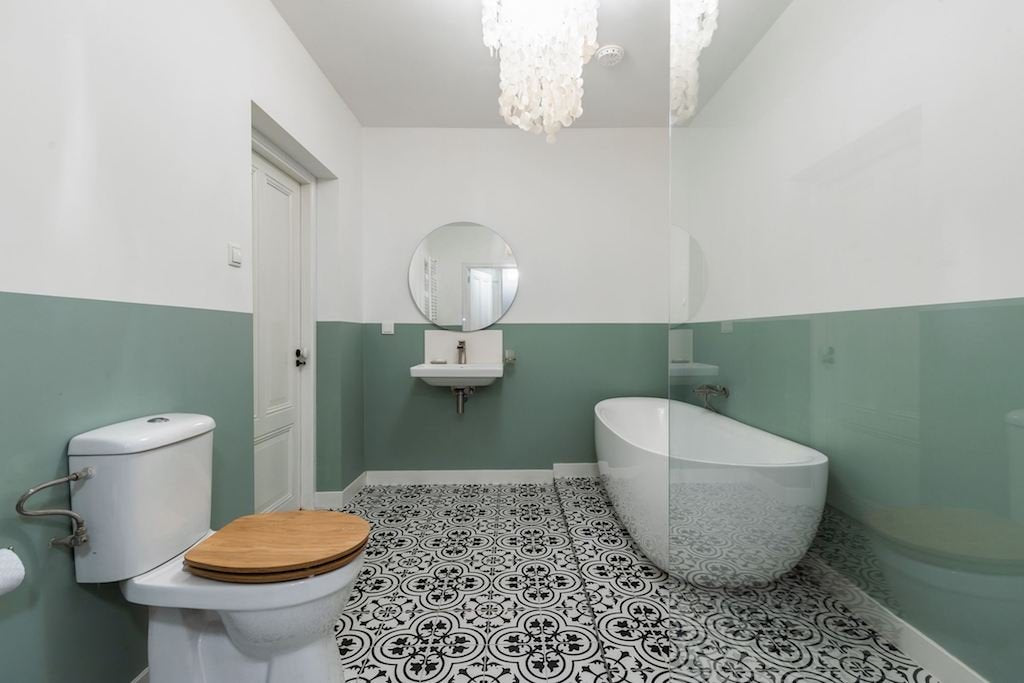
Photo 6: Imitation ceramic cement tiles in bathroom
Advantages of ceramic tiles
Quality and durability
Ceramic tiles are extremely hard. The material is wear-resistant, scratch-resistant, dimensionally stable, and colorfast. In addition to these advantages, they are also waterproof and suitable for both wet areas and underfloor heating.
Availability in all styles
Ceramics offer many advantages over real marble (risk of color variations and high purchase price), real natural stone (color variations, rust spots 'ore', and high ecological footprint), and real terrazzo (difficult to cut to size due to large pebbles in the tiles and relatively expensive). Therefore, we also see a rising trend in wood-look, marble-look, natural stone-look, and terrazzo-look ceramic tiles. These ceramic tiles with imitation prints come from the better factories in Europe with which tile retailer Solza exclusively collaborates.
Price and availability
Because ceramic tiles are machine-made and produced on a large scale, they are relatively inexpensive. Enormous quantities can be made per day, so they are not scarce. Also, any desired print can be applied to the tiles, offering a huge variety of choices. Both wall tiles and floor tiles come in all sorts of variants.
Waterproof and low maintenance
Ceramic tiles are waterproof and low-maintenance. Because the tiles are extremely hard, dirt and moisture have little chance. The tiles are virtually impervious and very easy to clean with soapy water. (Please note that you should not use acidic cleaning agents). This makes the tiles very hygienic, also for people with allergies and small children.
Easy to lay
Every tiler is familiar with laying ceramic tiles. Professionals find them fine tiles to work with. Because the tiles are light, dimensionally stable, and perfectly smooth, laying them is quite easy. Furthermore, the tiles can be cut well with a diamond cutter, making corners and similar details very neatly achievable.
Underfloor heating
Like cement tiles, ceramic tiles are extremely suitable for underfloor heating systems.
Suitable for every room
While we advise against using cement tiles for a toilet or bathroom floor, ceramic tiles fit in every room. Ceramic tiles are suitable, for example, for a kitchen backsplash, for a bathroom floor, for a toilet wall, and even for walls or floors in the living room or hallway.

Photo 7: Large format ceramic tiles in modern bathroom
Disadvantages of ceramic tiles
Ceramic tiles can be slippery
We repeatedly state that ceramic tiles are suitable for wet areas. This is true, but you must choose ceramic tiles with the correct anti-slip layer. This is often expressed in "R" values or, specifically for bathrooms, in NEN classes A, B, or C. Always inquire about this when purchasing.
Not easy to replace
Ceramic tiles are glued to a subfloor, making them difficult to remove. This can be challenging when replacing a floor.
You also won't take ceramic tiles with you to your new home. Keep this in mind.
Not easy to lay yourself
Among the advantages, we mention that ceramic tiles are easy to lay. We mean that professionals find them fine tiles to work with. However, if you are not a specialist or tiler, they are very difficult to lay. The tiles must be glued to a legitimate subfloor with special adhesive and then grouted. Hiring professionals can make the laying quite costly.
Lots of poor quality on the market
There are many poor quality ceramic tiles available. While many good tiles are made in China and Vietnam, many bad ones are too. If the quality of the tiles is poor, they can be prone to scratching or become very slippery. Make sure you always buy ceramic tiles from a specialist and get good information about the quality of the tiles.

Photo 8: Kitchen floor with ceramic tiles in diamond shape creating a 3D cube effect

Photo 9: Cement tile floor in Portuguese restaurant
Inspiration for cement tiles and ceramic tiles
Now that you know the main differences between cement tiles and ceramic tiles, and you've considered the advantages and disadvantages of both, you might purchase one of these tiles. We hope you can make the right choice and realize your dream home or dream project.
Meer uit de kennisbank
 TegelsFloorify grote tegels zijn nu 5,5 mm: wat betekent dat voor jou?
 TegelsTile patterns in open spaces: tips and inspiration
 TegelsCombining Tile Patterns with Furniture: Tips and Inspiration
Liever even overleggen?
Bel of loop binnen in onze showroom in Alphen aan den Rijn.

